Why a Solar Radio With a Flashlight Beats Your Phone in a Blackout
Why a solar hand-crank emergency radio beats your phone in a blackout: NOAA and longwave broadcasts, infinite power, built-in light and how to set one up.
How it works, step by step
Choose one with three power paths
Choose one with three power paths. Solar, hand crank and USB charging. Any radio missing the crank is a radio that can go flat.
In the first hours of a real blackout your phone is a torch with a countdown timer. Mobile towers have limited backup power, networks congest immediately, and the information you need is being broadcast on frequencies your phone cannot receive. A solar hand-crank radio with a flashlight solves all three problems at once, for the price of a takeaway meal.
Why broadcast radio wins in an emergency
Radio is one-way and infrastructure-light. A single transmitter with generator backup reaches an entire region regardless of how many people are listening. Emergency management agencies broadcast on AM, FM and weather bands precisely because they keep working when the network does not.
Set yours up properly
- 01
Choose one with three power paths. Solar, hand crank and USB charging. Any radio missing the crank is a radio that can go flat.
- 02
Confirm the bands you need. AM and FM everywhere, NOAA weather band in North America, longwave and shortwave if you want cross-border news.
- 03
Charge it fully and top it up quarterly. A radio in a drawer at zero percent is a paperweight. Put a recurring reminder on your calendar.
- 04
Programme and write down local frequencies. Emergency broadcast, regional news and weather, on a card taped to the radio. Nobody remembers frequencies under stress.
- 05
Test the crank output. One minute of cranking should give several minutes of listening or a short burst of light. Learn the real ratio before you rely on it.
- 06
Store it with the rest of your outage kit — headlamp, powerbank, printed contacts — in one place everyone in the household knows.
What the flashlight adds
A radio with a built-in light means one item to find in the dark instead of two. Most also act as a small powerbank, which is enough to send messages when the network briefly recovers. It is not a replacement for a headlamp, but it is the thing that is always in the same place.
Details most people get wrong
Common questions
Is a phone with an FM chip enough? Only if the chip is enabled and you have wired headphones as an antenna — and your phone battery is still the limit. It is a backup to a backup.
Solar alone? Solar trickle-charging is slow and useless indoors at night. The crank is the feature that guarantees function.
The cheapest resilience you can buy
Everything else on this site takes practice. This one takes a purchase and a quarterly charge. For a small, one-off cost you get information, light and a little power that no outage can take away — which is exactly the kind of quiet investment in safety that you hope stays boring.
Gear you need for this hack
Everything below does the job in this guide. Improvise where you can — buy where it matters.
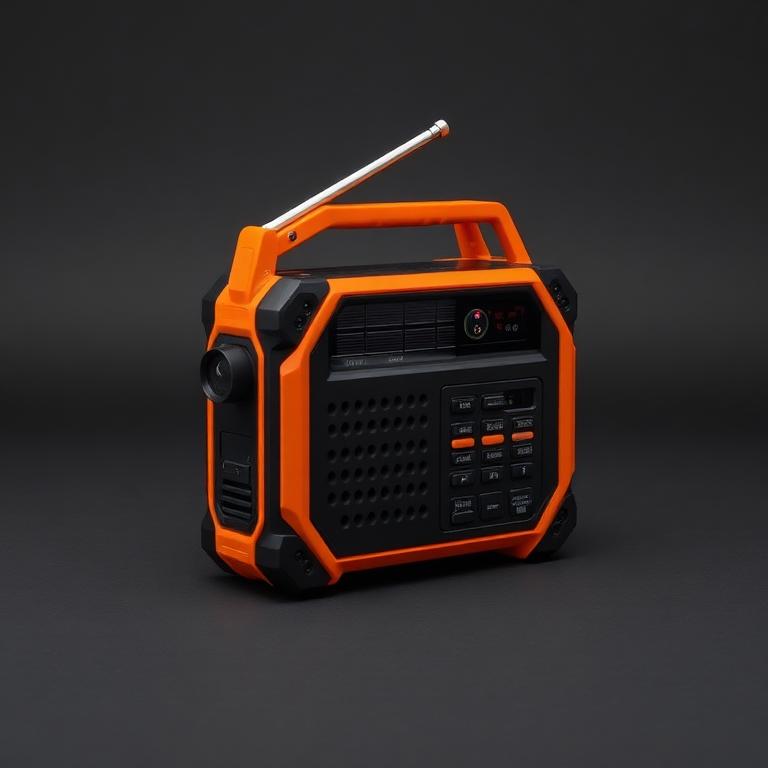
Solar & Hand-Crank Emergency Radio
Midland
Solar, crank and USB in one — the core of this hack.
AM/FM/NOAA weather radio with solar panel, hand crank, built-in flashlight and USB output for topping up a phone.
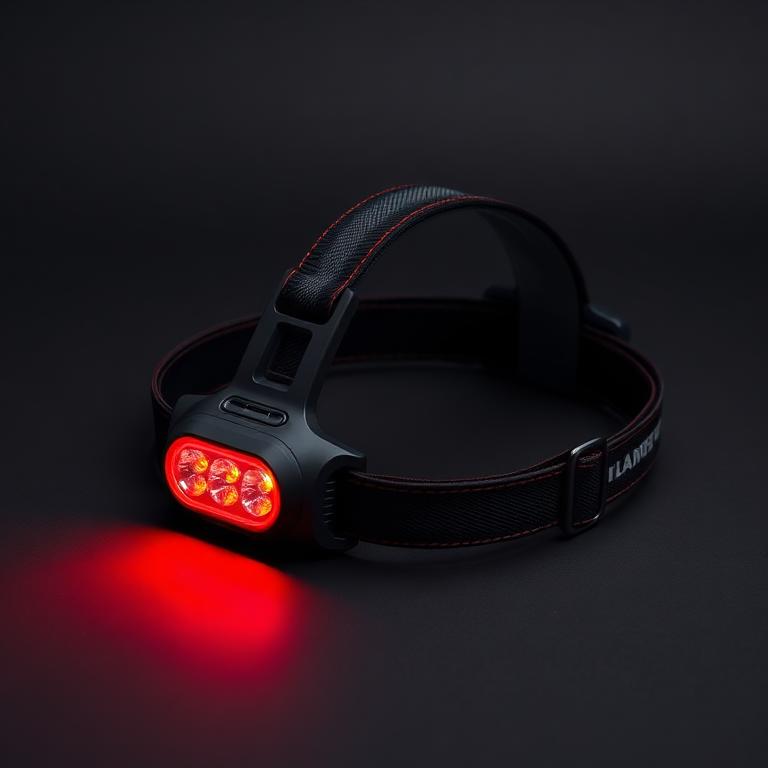
Rechargeable Headlamp
Petzl
Your main hands-free light; the radio torch is the backup.
Hands-free light with a red mode that keeps your night vision.
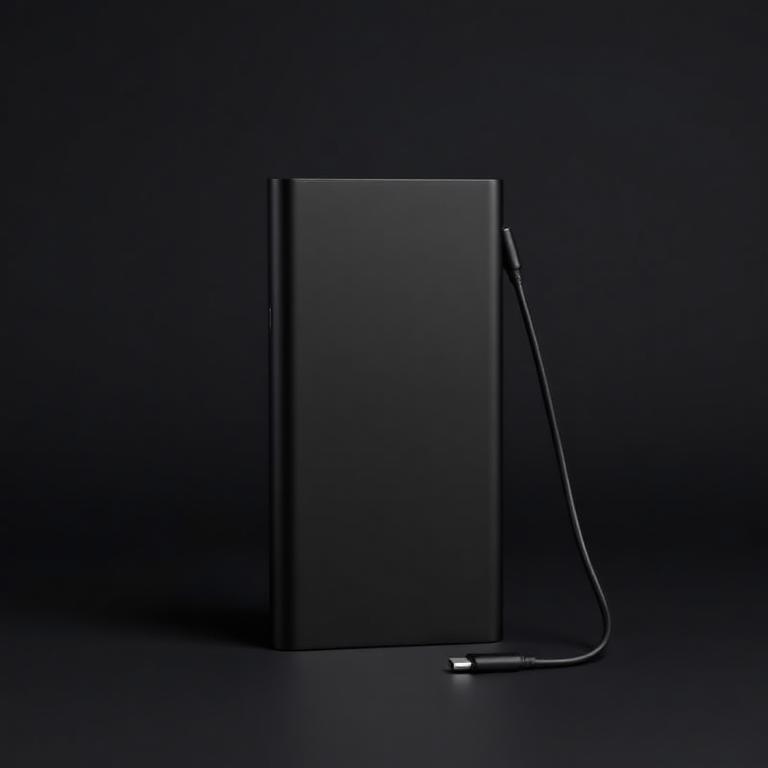
Anker 20,000mAh Powerbank
Anker
Tops the radio up fast when there has been no sun for days.
Enough for a week of phone and headlamp charging. Keep it warm in winter.
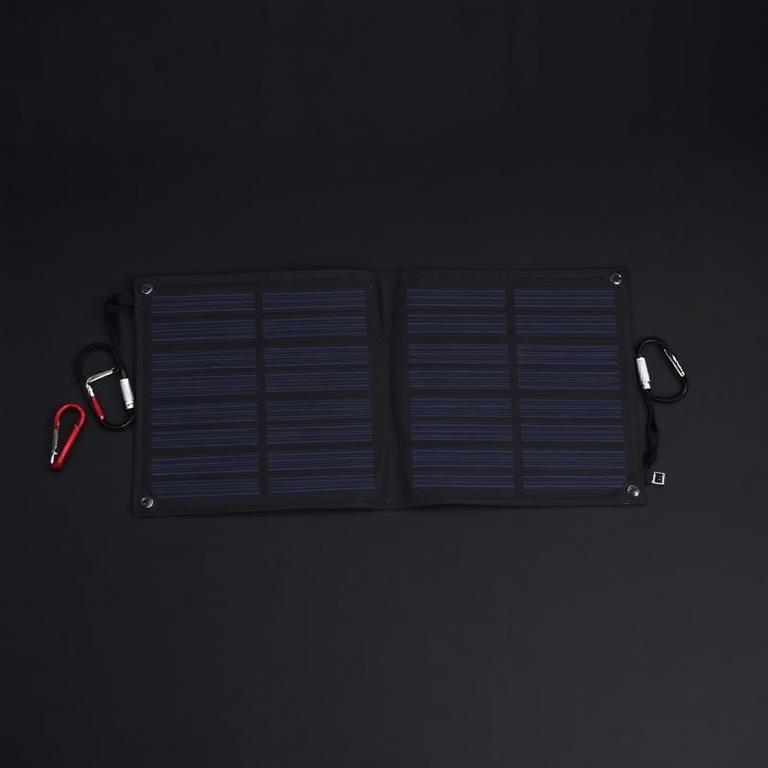
28W Folding Solar Charger
BigBlue
Recharges the powerbank so the whole chain stays independent.
Straps to a pack and refills a powerbank in a day of sun. USB only, no controller needed.
Some links are affiliate links. If you buy through them we earn a small commission at no extra cost to you — it pays for testing gear, not for good reviews.
More Solar & Power
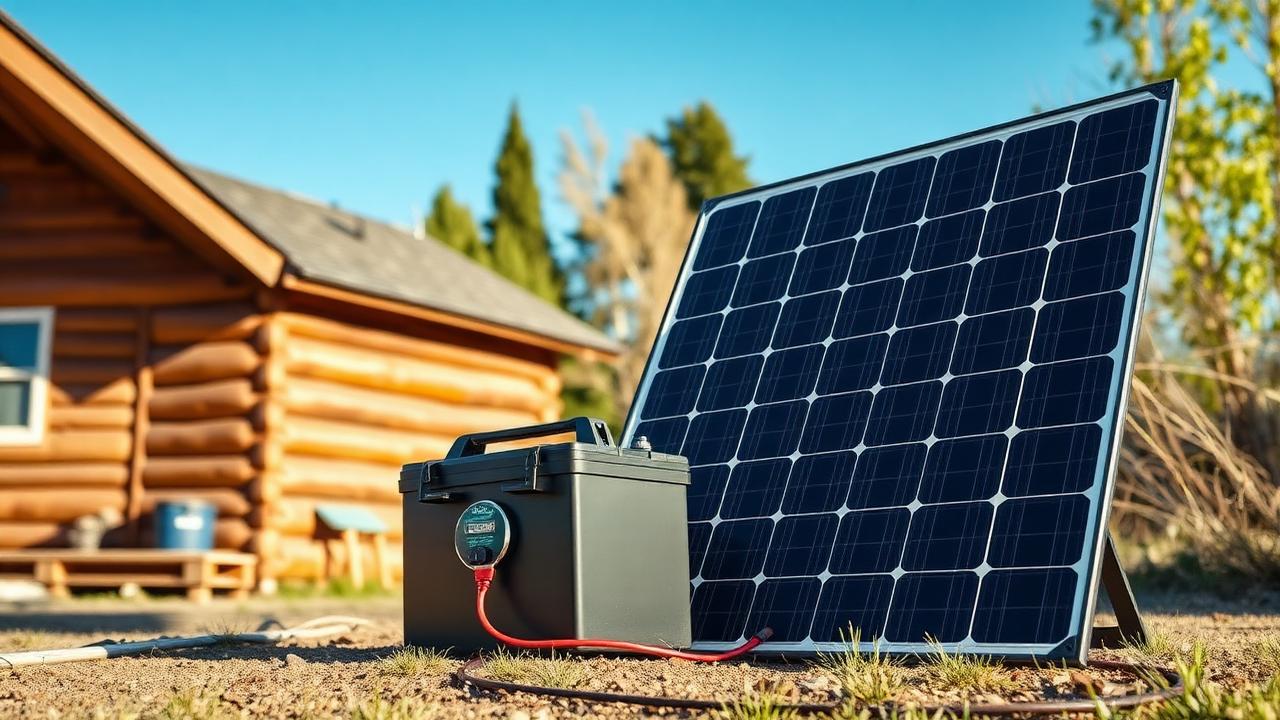
Sizing a 100W Solar Panel and Battery Properly
How to size a 100W solar panel and battery correctly: real daily watt-hours, sun-hour maths, depth of discharge and why most small solar setups fail.
8 min read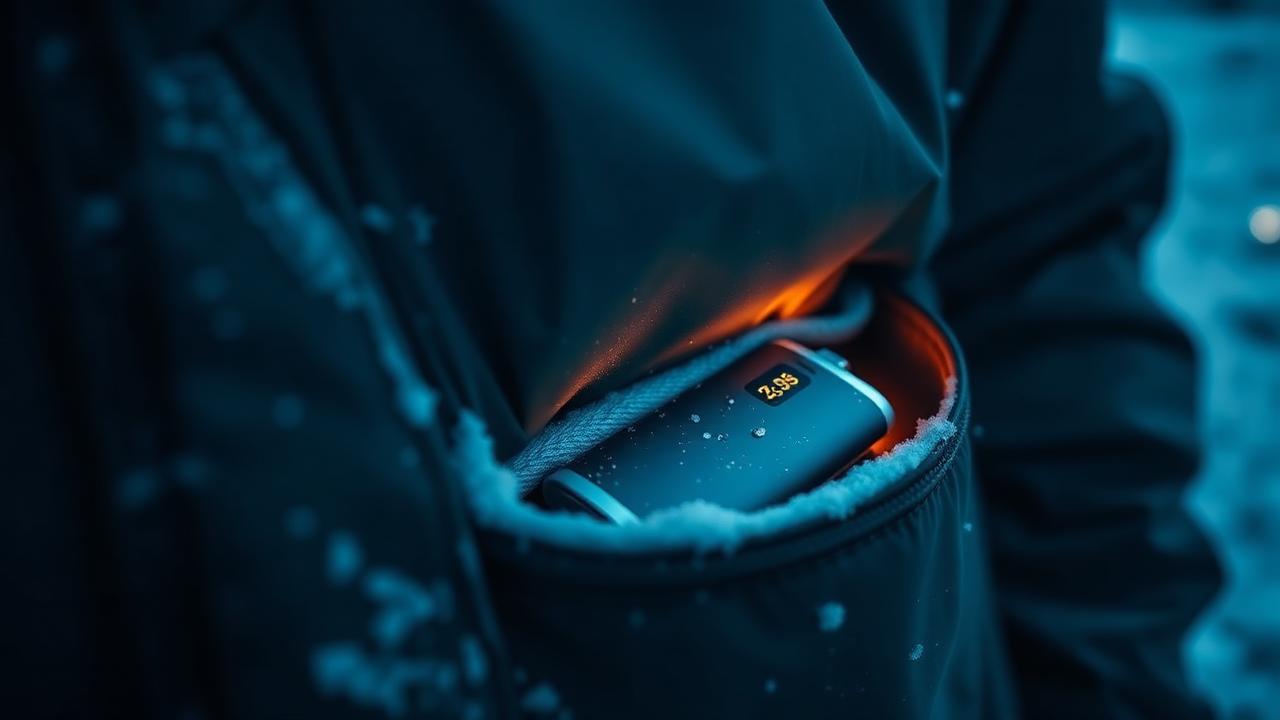
Keeping Powerbanks Alive in the Cold
Why powerbanks fail in the cold and how to fix it: lithium chemistry below freezing, body-heat storage, charging rules and choosing cells that cope.
7 min read