
Sizing a 100W Solar Panel and Battery Properly
How to size a 100W solar panel and battery correctly: real daily watt-hours, sun-hour maths, depth of discharge and why most small solar setups fail.
How it works, step by step
Add up your loads honestly
Add up your loads honestly. Watts times hours per day for every device. A 10W light for 5 hours is 50Wh; phone charging is about 20Wh; a 12V fridge is 300-600Wh per day on its own.
Most small solar setups fail because the battery is too small, not the panel. People buy a 100W panel, hang a cheap battery off it and wonder why the lights die on the second cloudy day. The fix is one page of arithmetic, done before you buy anything.
The four numbers you need
Daily consumption in watt-hours, real sun hours for your latitude and season, usable battery capacity after depth-of-discharge limits, and days of autonomy you want to cover. Everything else is detail.
Do the maths
- 01
Add up your loads honestly. Watts times hours per day for every device. A 10W light for 5 hours is 50Wh; phone charging is about 20Wh; a 12V fridge is 300-600Wh per day on its own.
- 02
Apply real sun hours, not panel rating. A 100W panel yields roughly 400Wh on a good summer day and as little as 100Wh on a grey winter day. Design for your worst realistic month.
- 03
Derate for system losses. Multiply by 0.75 to cover controller, cable, heat and charging inefficiency. Skipping this is why setups underperform on paper-perfect designs.
- 04
Size the battery for autonomy, not for one day. Two to three days of consumption with no meaningful input. That is the number that keeps the lights on.
- 05
Respect depth of discharge. Lead-acid gives you 50 percent usable; LiFePO4 gives you 80-90 percent and thousands of cycles. A 100Ah LiFePO4 at 12V is about 1,000Wh usable, versus 600Wh from the same nominal lead-acid.
- 06
Match the charge controller. MPPT rather than PWM harvests 20-30 percent more in low light and cold, which is exactly when you need it. Size it above panel short-circuit current with margin.
A worked example
Lights, phones, a radio and a laptop come to roughly 250Wh a day. Two days of autonomy needs 500Wh usable, so a 100Ah LiFePO4 covers it with headroom. Replacing 250Wh a day in winter, at 0.75 efficiency and two real sun hours, needs around 170W of panel — which is why one 100W panel is a summer solution and two is a year-round one.
Details most people get wrong
Common questions
Can I add a panel later? Yes, if the controller has headroom. Buy the controller for your future array, not your current one.
Do I need an inverter? Only for mains appliances, and it costs you 10-15 percent in conversion. Run 12V natively wherever you can.
Buy once, sized right
Undersized systems get replaced; correctly sized ones get forgotten about, which is the goal. A quality panel, an MPPT controller and a LiFePO4 battery cost more up front and less over ten years — and they mean that when the grid goes down, your fridge, your lights and your communications simply keep running.
Gear you need for this hack
Everything below does the job in this guide. Improvise where you can — buy where it matters.
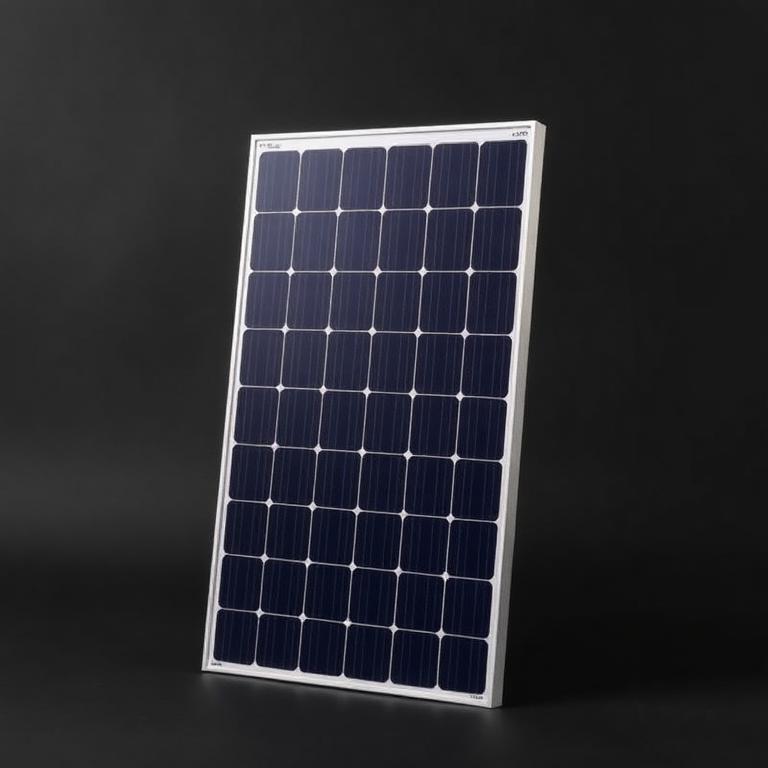
100W Monocrystalline Solar Panel
Renogy
The panel the maths in this article assumes.
The workhorse panel for a small off-grid system. Rigid, cheap per watt, 25-year life.
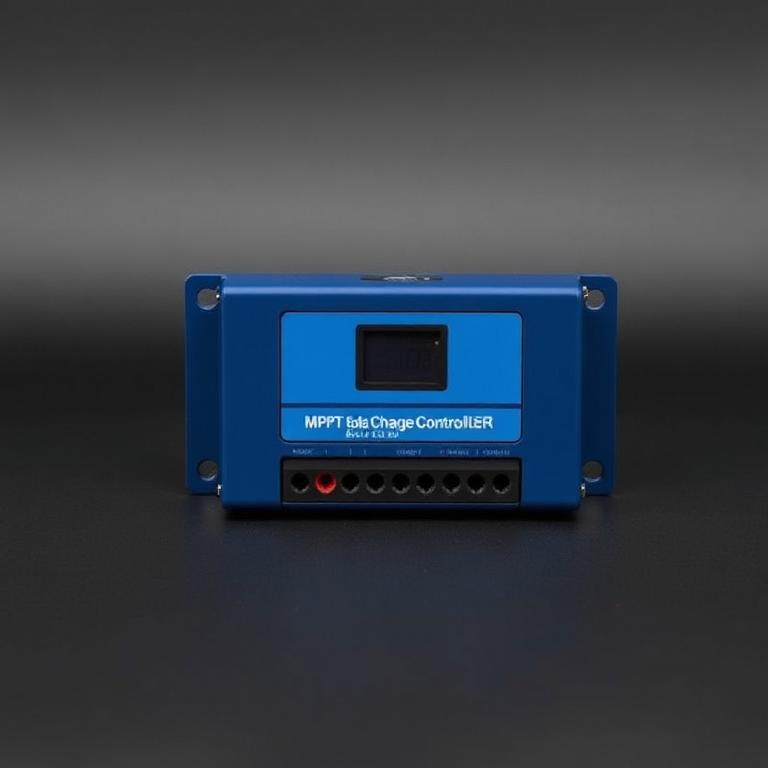
20A MPPT Charge Controller
Victron
20-30 percent more harvest than PWM.
Squeezes 20-30 percent more out of the same panel than a PWM controller in cold light.
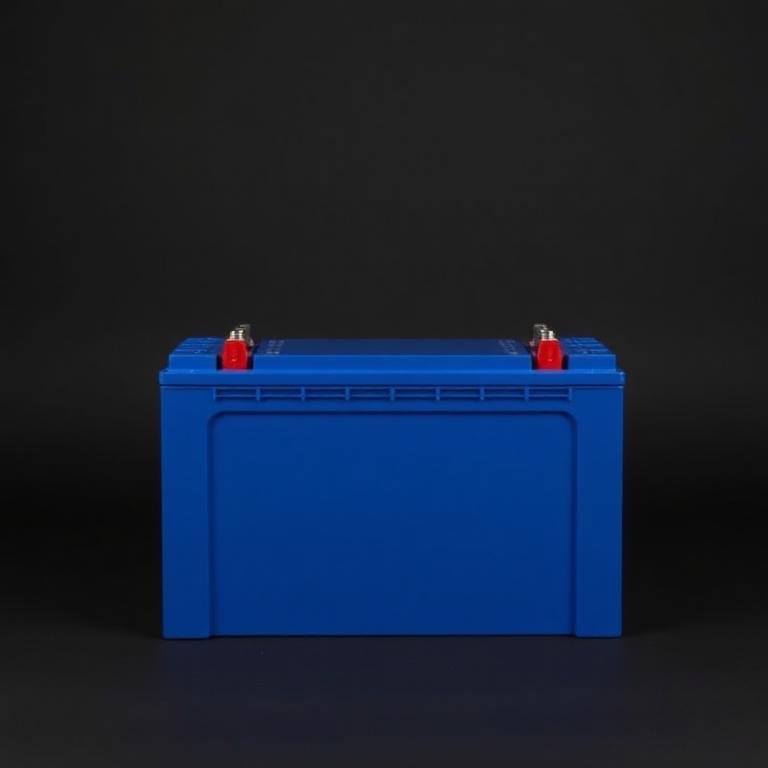
100Ah LiFePO4 Battery
Deep cycling without wrecking the battery.
Thousands of cycles, safe chemistry, and it can be discharged deeply without damage.
Some links are affiliate links. If you buy through them we earn a small commission at no extra cost to you — it pays for testing gear, not for good reviews.
More Solar & Power

Keeping Powerbanks Alive in the Cold
Why powerbanks fail in the cold and how to fix it: lithium chemistry below freezing, body-heat storage, charging rules and choosing cells that cope.
7 min read
Why a Solar Radio With a Flashlight Beats Your Phone in a Blackout
Why a solar hand-crank emergency radio beats your phone in a blackout: NOAA and longwave broadcasts, infinite power, built-in light and how to set one up.
7 min read