
Keeping Powerbanks Alive in the Cold
Why powerbanks fail in the cold and how to fix it: lithium chemistry below freezing, body-heat storage, charging rules and choosing cells that cope.
How it works, step by step
Carry it against your body
Carry it against your body. An inside jacket pocket, not the outer pack pocket. Body heat alone is usually enough.
A powerbank that shows 100 percent at home can deliver almost nothing at minus ten. Lithium cells do not lose the energy — the cold raises internal resistance so the pack cannot release it. Understand that and you get the capacity back with habits rather than money.
What actually happens below freezing
Ion movement inside the cell slows as temperature drops. At 0 degrees you lose roughly 20 percent of usable capacity; at minus 20 it can be 50 percent or worse. Warm the same pack up and the capacity returns, undamaged — provided you did not charge it while frozen.
Keep the capacity
- 01
Carry it against your body. An inside jacket pocket, not the outer pack pocket. Body heat alone is usually enough.
- 02
Never charge a pack below 0 degrees. Charging a frozen lithium cell causes lithium plating, which is permanent damage and a genuine fire risk. Warm it first.
- 03
Warm before use, not after failure. Ten minutes inside your jacket before you need it beats troubleshooting a dead phone.
- 04
Sleep with it. Inside the sleeping bag, in a sock, at the foot end. Same for phones, headlamps and spare batteries.
- 05
Insulate rather than heat. A neoprene sleeve or a wool sock keeps warmth in far more effectively than any chemical warmer.
- 06
Store at 40-60 percent for long periods, in a cool dry place. Full and empty storage both age cells faster.
Choosing a pack for cold climates
- Higher capacity gives you margin, not immunity — 20,000mAh is the practical sweet spot
- USB-C Power Delivery charges phones and laptops far faster in the short warm windows you get
- Rigid casings survive cold drops; soft-shell packs crack
- A folding solar charger extends any pack on multi-day trips, but expect reduced winter output at low sun angles
Details most people get wrong
Common questions
Is a dead pack in the cold permanently damaged? Usually not, if you did not charge it cold. Warm it slowly to room temperature and test.
What about lead-acid or LiFePO4? LiFePO4 tolerates cold discharge well but has the same charging prohibition below freezing. Quality systems include low-temperature charge cut-off.
Reliability is what you are paying for
A well-made 20,000mAh pack, a proper USB-C charger and a folding solar panel are not exciting purchases. They are the reason your phone still works on day three, your headlamp still lights the path and you can still call for help. Buying that once, from a brand with real cell quality, is a small price for the thing you will care about most on a bad night.
Gear you need for this hack
Everything below does the job in this guide. Improvise where you can — buy where it matters.
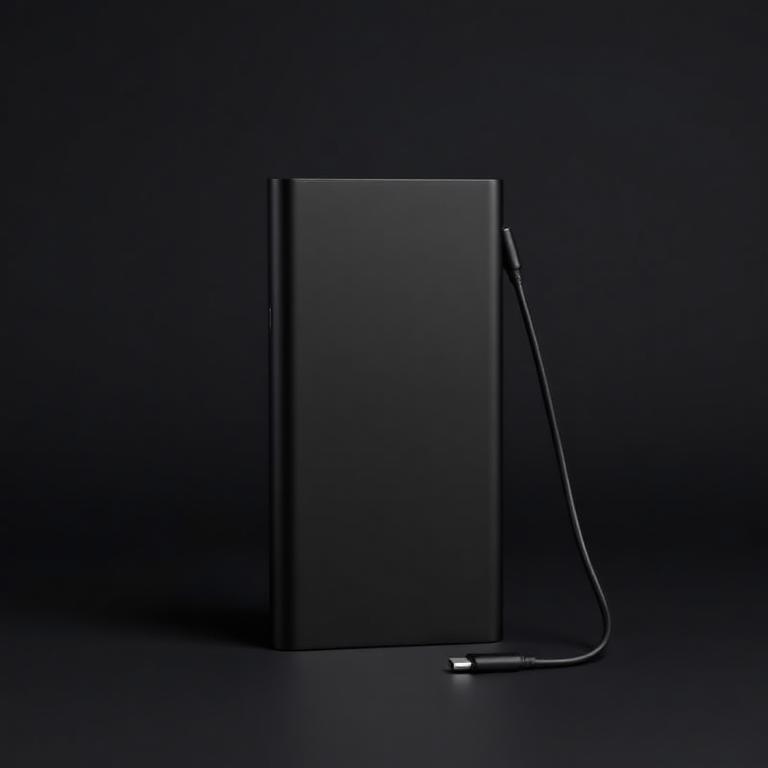
Anker 20,000mAh Powerbank
Anker
Big enough for a week, small enough to keep warm.
Enough for a week of phone and headlamp charging. Keep it warm in winter.
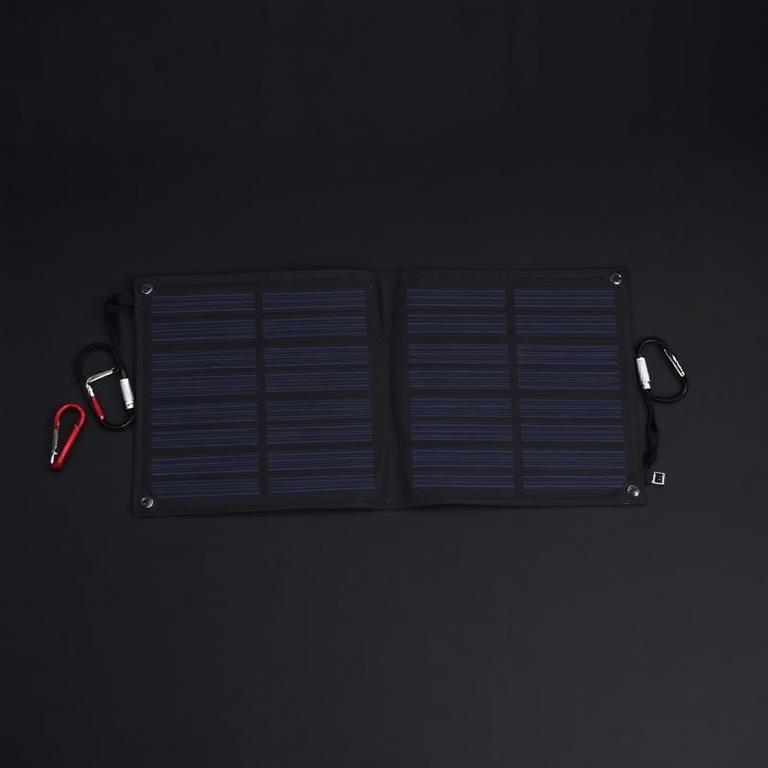
28W Folding Solar Charger
BigBlue
Refills it on the move, no controller needed.
Straps to a pack and refills a powerbank in a day of sun. USB only, no controller needed.
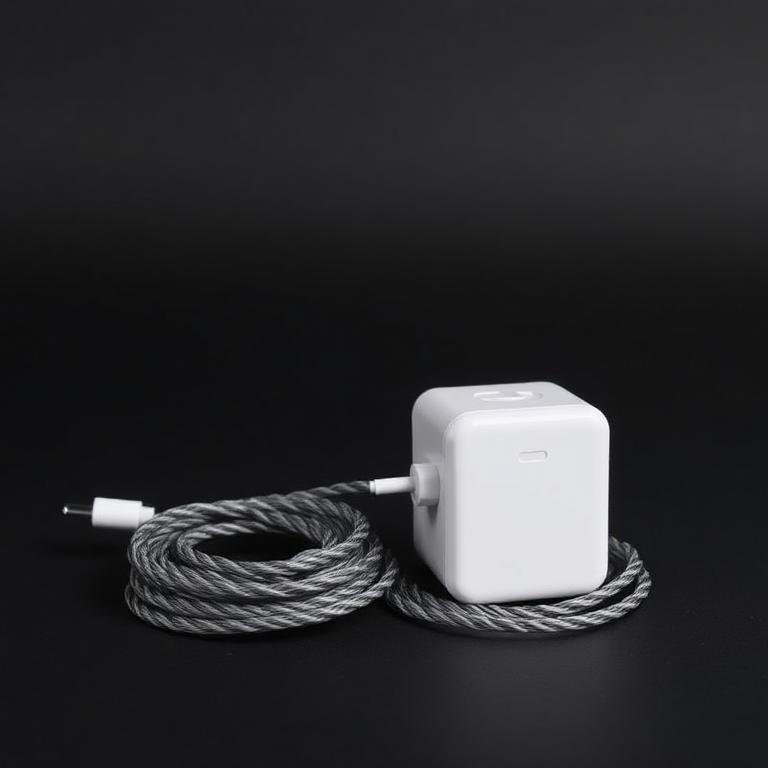
65W USB-C PD Charger and Cables
One plug for everything back at base.
Charges powerbank, laptop and lights off one plug or one inverter socket.
Some links are affiliate links. If you buy through them we earn a small commission at no extra cost to you — it pays for testing gear, not for good reviews.
More Solar & Power
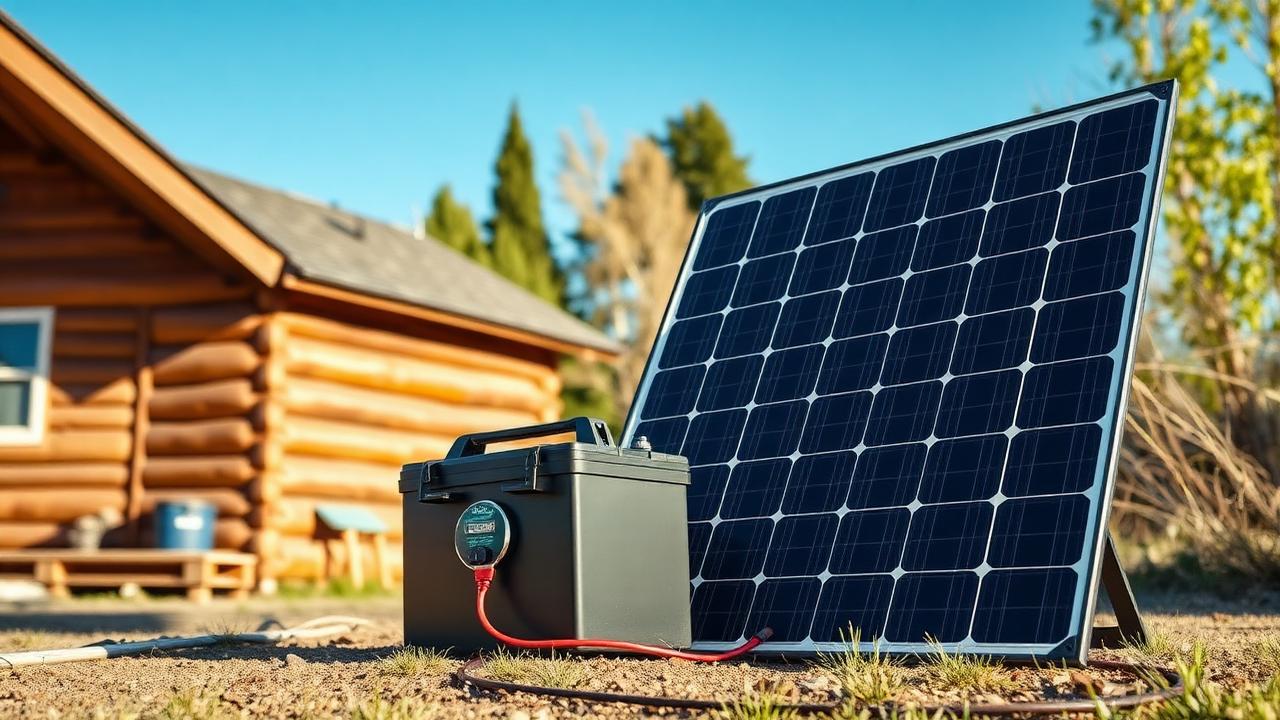
Sizing a 100W Solar Panel and Battery Properly
How to size a 100W solar panel and battery correctly: real daily watt-hours, sun-hour maths, depth of discharge and why most small solar setups fail.
8 min read
Why a Solar Radio With a Flashlight Beats Your Phone in a Blackout
Why a solar hand-crank emergency radio beats your phone in a blackout: NOAA and longwave broadcasts, infinite power, built-in light and how to set one up.
7 min read