Rainwater Catchment From a Single Tarp
Rainwater catchment from a single tarp: how much water a 3x3 tarp collects, how to funnel and store it cleanly, and how to make it safe to drink.
How it works, step by step
Pitch the tarp as a shallow
Pitch the tarp as a shallow funnel. Tie three corners high and one corner low. Steep enough to run, shallow enough to hold volume.
Rain is the easiest water you will ever collect. A three-by-three metre tarp catches roughly nine litres for every millimetre of rainfall, so a modest overnight shower fills every container you own. The work is not in catching it — it is in funnelling it cleanly and storing it so it stays drinkable.
The arithmetic worth remembering
Collection area in square metres, times millimetres of rain, equals litres. A 3x3 tarp in 5 mm of rain gives about 45 litres. A caravan roof or a small shed easily doubles that. Knowing this number tells you how much storage to own.
Set up the catchment
- 01
Pitch the tarp as a shallow funnel. Tie three corners high and one corner low. Steep enough to run, shallow enough to hold volume.
- 02
Make a spout. Pinch the low corner around a short stick or a loop of paracord so water leaves in a stream, not a spray.
- 03
Divert the first flush. The first two or three litres carry dust, bird droppings and pollen. Let them run to waste before you swap containers.
- 04
Catch into a covered vessel. A food-grade bucket with a lid and a mesh screen keeps out insects, leaves and light.
- 05
Store dark and sealed. Light grows algae. Warmth grows everything else. Cool, dark and closed keeps water usable for weeks.
- 06
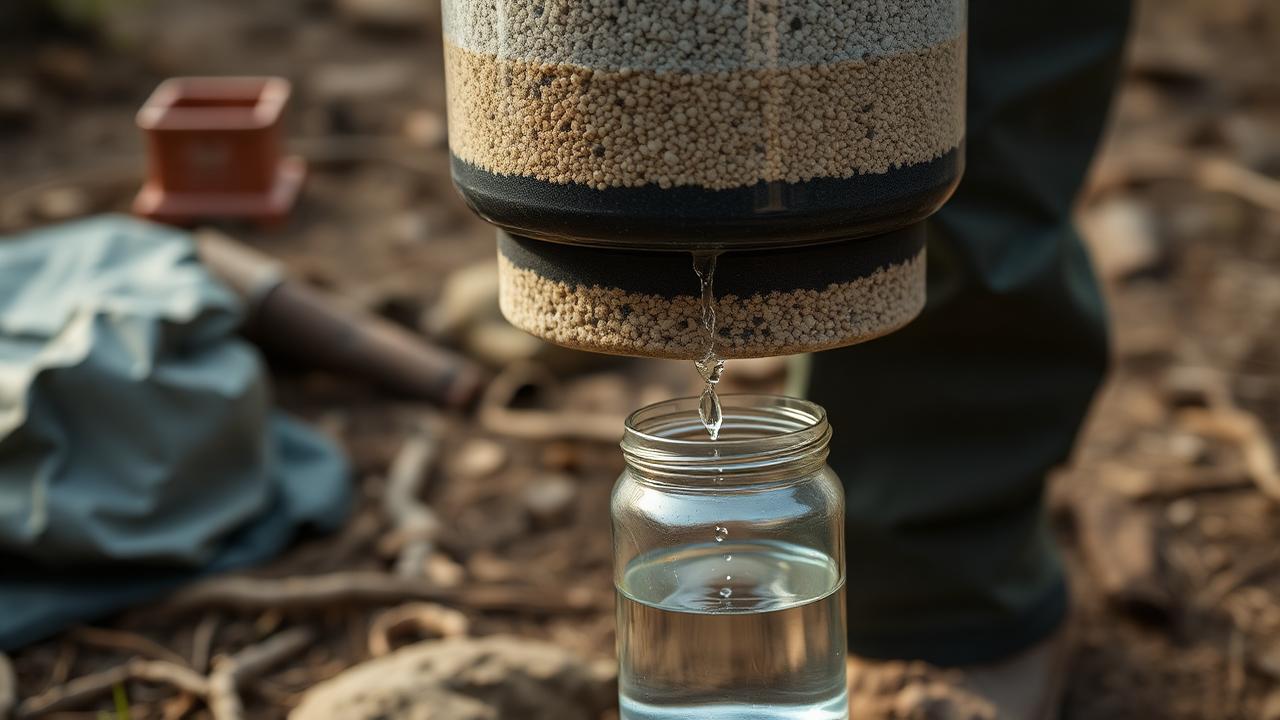
Treat before drinking. Gravity filter for clarity and pathogens, or boil. Rainwater is not sterile once it has touched a surface.
Details most people get wrong
Making it permanent
- A rain barrel diverter kit on an existing downpipe is a one-hour job and collects year-round
- Fit an overflow so a full barrel does not flood a foundation
- Keep roofs clear of moss; a dirty roof makes dirty water
- Label greywater and drinking-water containers so they never get swapped
Common questions
Is tarp material safe? Use a clean tarp intended for shelter or food use and rinse it first. Avoid tarps treated with unknown coatings or previously used with fuel or chemicals.
Is rainwater legal to collect? In most of Europe and most of the US, yes, with some regional restrictions. Check your local rules before installing a permanent system.
Why this one is worth doing this weekend
Water is the shortest clock in any emergency — three days, not three weeks. A tarp, a diverter kit, a couple of food-grade barrels and a gravity filter cost less than a weekend away and mean a supply interruption becomes an inconvenience instead of a crisis. That is the whole point of preparing: buying calm ahead of time.
Gear you need for this hack
Everything below does the job in this guide. Improvise where you can — buy where it matters.
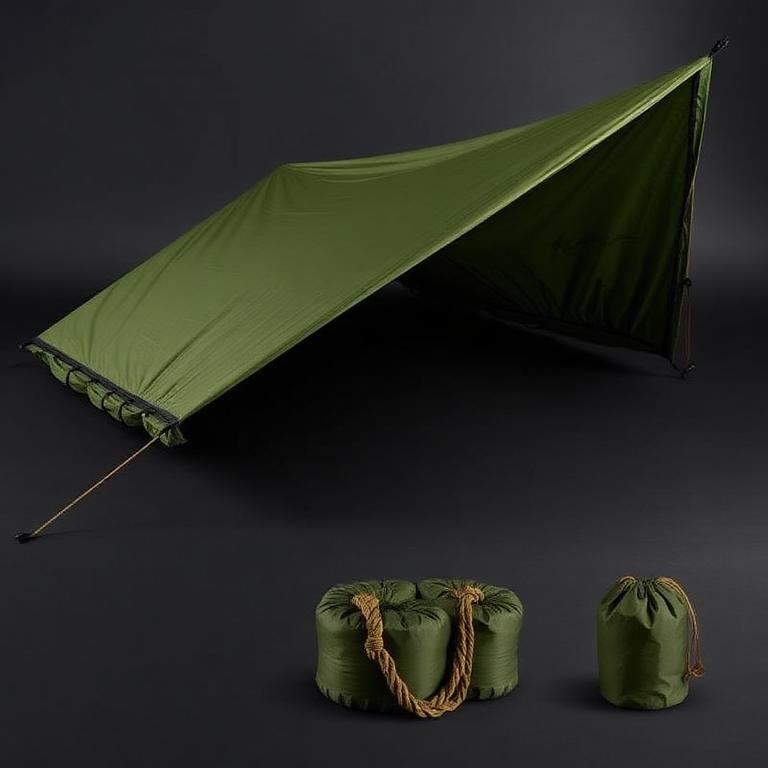
DD Hammocks 3x3 Tarp
DD Hammocks
Multiple tie-outs make a clean funnel shape.
19 tie-out points, so every configuration in the tarp guide is possible.
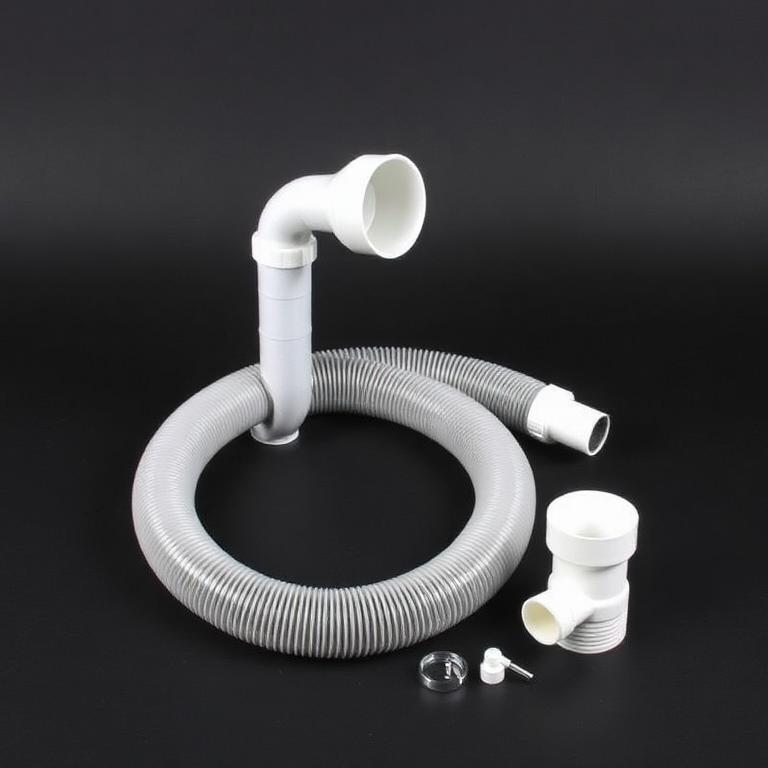
Rain Barrel Diverter Kit
Diverts the dirty first flush.
Screens debris and diverts the first dirty flush before water reaches your storage.
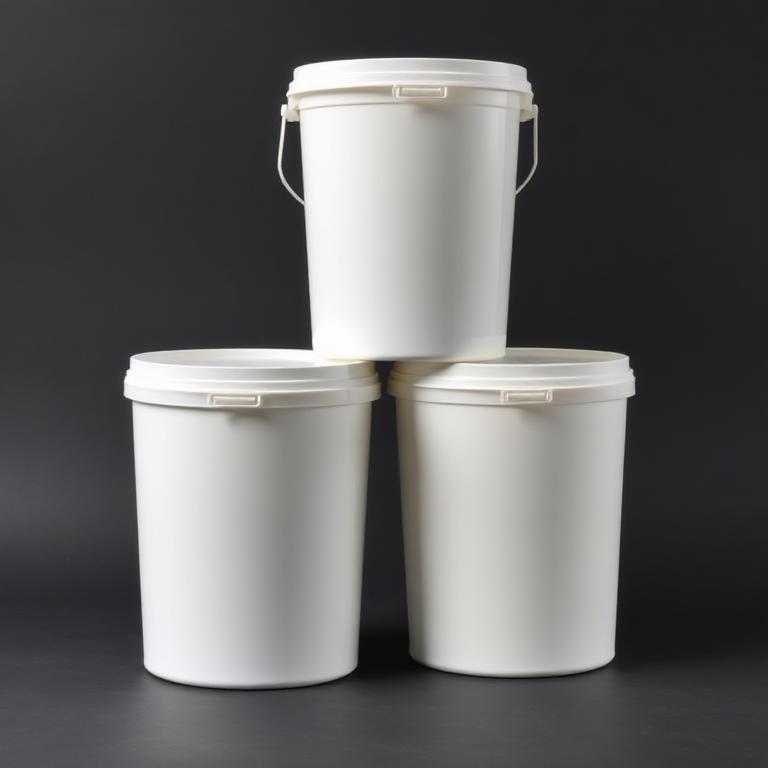
Food-Grade Buckets with Lids
Safe storage for what you collect.
20 litre food-safe buckets: the body of a gravity filter, a root cellar or a rain barrel.
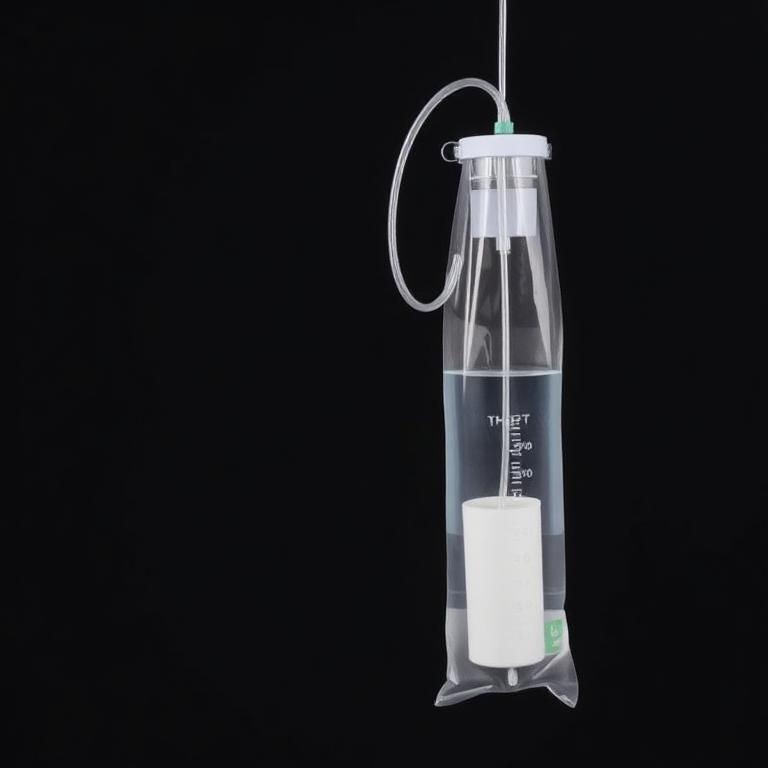
LifeStraw Gravity Bag Filter
LifeStraw
Filter the collected water before drinking.
Hang-and-forget gravity filtration for a camp or family. No pumping.
Some links are affiliate links. If you buy through them we earn a small commission at no extra cost to you — it pays for testing gear, not for good reviews.