Six Wild Edibles Beginners Cannot Confuse
Six wild edibles with no dangerous lookalikes — dandelion, nettle, plantain, chickweed, blackberry and rosehip — how to identify, harvest and use them safely.
How it works, step by step
Dandelion
Dandelion. Hollow unbranched stem with milky sap, single flower per stem, deeply toothed basal rosette. Leaves are best before flowering; roots roast into a coffee substitute.
Beginner foraging goes wrong when people start with the interesting plants. Start instead with plants that have no dangerous lookalikes, grow almost everywhere, and are easy to identify from several features at once. These six will feed you, teach you to look properly, and never hurt you.
The rule that keeps you safe
Identify on at least three features — leaf, stem, growth habit, smell, habitat — never on a single photo match. If you cannot name a plant confidently, it stays where it is. That rule is the whole discipline.
The six plants
- 01
Dandelion. Hollow unbranched stem with milky sap, single flower per stem, deeply toothed basal rosette. Leaves are best before flowering; roots roast into a coffee substitute.
- 02
Stinging nettle. Opposite serrated leaves, square stem, obvious sting. Harvest the top four leaves with gloves; cooking or drying removes the sting entirely. Extremely high in iron and protein.
- 03
Broadleaf plantain. Oval leaves with parallel ribs that stay intact when you tear the leaf. Young leaves are edible; crushed leaves are the classic field poultice for stings and small wounds.
- 04
Chickweed. Sprawling mats, small white star flowers, and a single line of fine hairs running along one side of the stem — a unique, definitive check. Eat it raw.
- 05
Blackberry. Arching thorny canes, compound leaves, unmistakable fruit. Young leaves make a tea; berries need no explanation.
- 06
Rosehip. The red fruit of wild roses after the first frost. Very high in vitamin C. Strain out the internal hairs before eating or making syrup.
Details most people get wrong
Harvesting well
- Never pick within a few metres of a road or a sprayed field edge
- Take less than a third of any patch and leave the roots
- Wash everything, and cook anything from ground level where animals pass
- Try a small quantity of any new food the first time
Common questions
Do I still need a book? Yes. A good regional guide with keys rather than pretty photographs is the single most useful thing you can own as a forager, and it costs less than one supermarket shop.
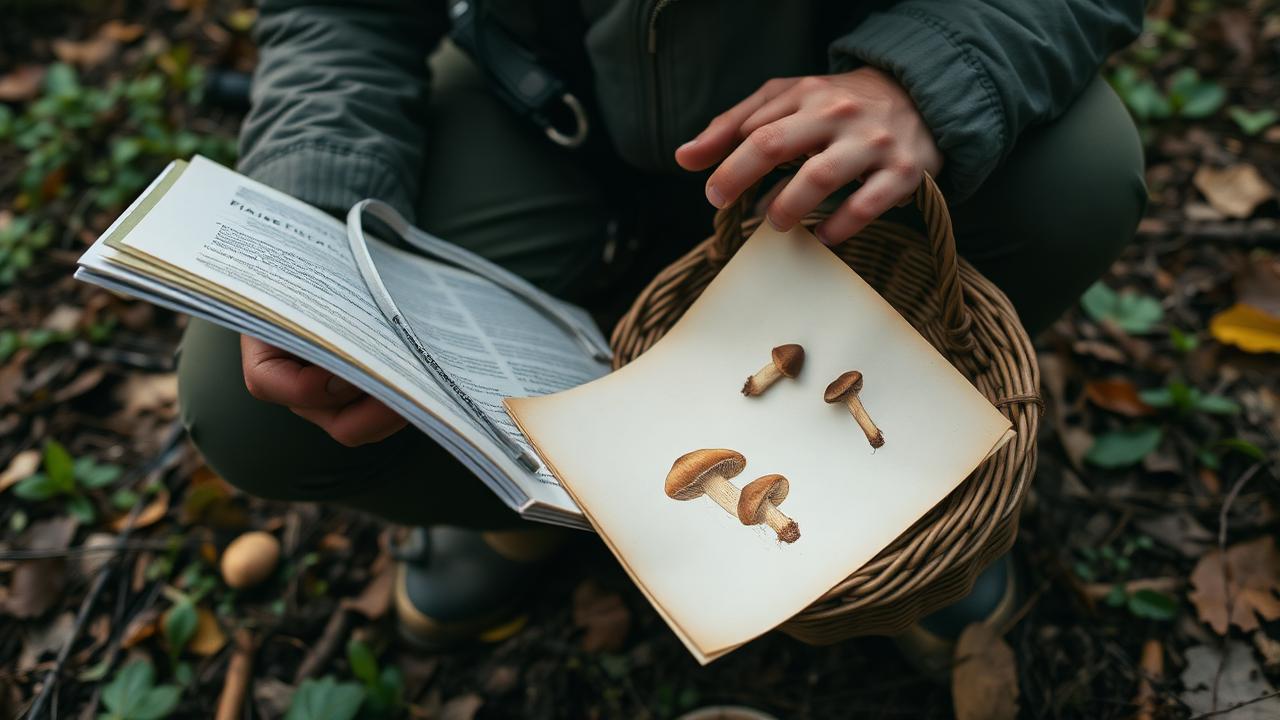
What about mushrooms? Different discipline entirely, and not the place to start. Learn plants first.
Why start now, not later
Foraging is a skill that takes seasons, not weekends — you learn a plant by seeing it in spring, summer and autumn. Buying one proper field guide and a small knife today, and walking the same patch each month, is how you turn a hobby into genuine food security. Nothing expensive, just started early.
Gear you need for this hack
Everything below does the job in this guide. Improvise where you can — buy where it matters.
The Forager's Harvest
Samuel Thayer
Plant-by-plant detail with no filler species.
Honest, deeply detailed plant-by-plant identification. No filler species.
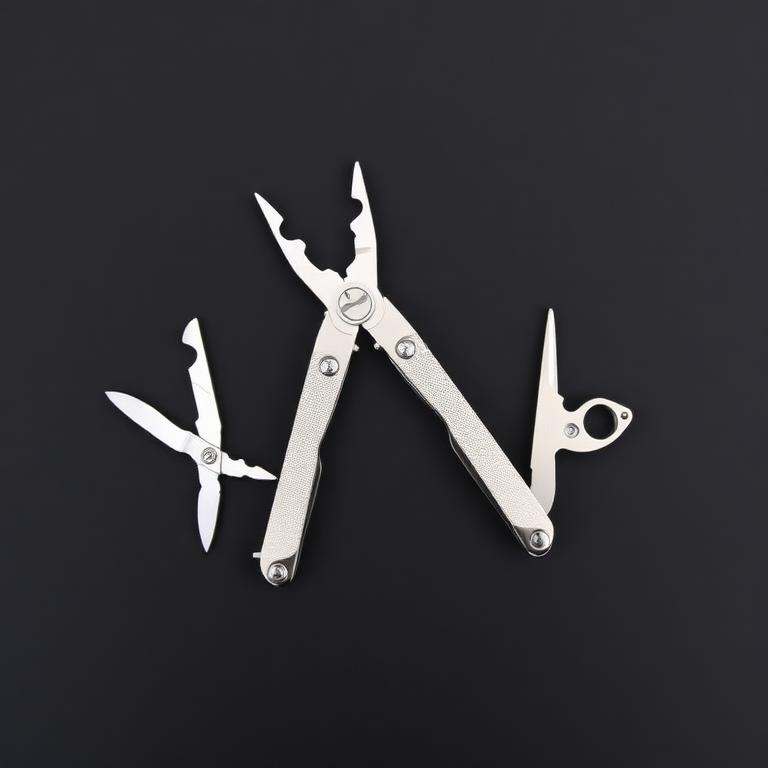
Leatherman Wave+ Multi-Tool
Leatherman
Scissors and knife for clean harvesting.
Pliers, saw, drivers and scissors in a pocket. The camp repair kit that is always on you.
Some links are affiliate links. If you buy through them we earn a small commission at no extra cost to you — it pays for testing gear, not for good reviews.