Foraging Mushrooms Without Guessing
A rules-based method for safe mushroom foraging: spore prints, habitat, the deadly families to rule out first, and why photo matching gets people poisoned.
How it works, step by step
Dig the whole fruiting body
Dig the whole fruiting body. Never cut at the base. The volva — the sac at the bottom of the stem — is the key Amanita feature and it is underground.
Mushroom foraging is not dangerous because mushrooms are mysterious. It is dangerous because people identify by eye, matching a photo and hoping. Replace that with a rules-based process — rule out the killers first, confirm on multiple features, keep records — and mushroom picking becomes as safe as any other food gathering.
Rule out before you rule in
Learn the deadly families before you learn the edible ones. In most of Europe and North America that means the Amanitas, the deadly Galerina, the destroying angels and the toxic Cortinarius. Learn their volva, ring, gill attachment and spore colour so thoroughly that you recognise them instantly, even young.
The process
- 01
Dig the whole fruiting body. Never cut at the base. The volva — the sac at the bottom of the stem — is the key Amanita feature and it is underground.
- 02
Record the habitat. Species, living or dead wood, soil type and season. Habitat is identification data, not background.
- 03
Take a spore print. Cap on paper for a few hours under a glass. Spore colour eliminates entire families in one step.
- 04
Confirm on at least five features. Cap, gills or pores, stem, flesh colour when cut, smell. One feature is a guess; five is an identification.
- 05
Key it out in a regional guide. Use a book written for your region, and follow the key rather than flicking through pictures.
- 06
Cook thoroughly and eat a small portion first. Even good edibles disagree with some people. Keep one raw specimen in the fridge in case a doctor needs it.
Details most people get wrong
Beginner-safe starting species
- Chanterelle — false gills that run down the stem, apricot smell
- Hedgehog fungus — spines instead of gills, effectively no dangerous lookalike
- Cep and other boletes — pores instead of gills; almost no deadly boletes in most regions
- Giant puffball — pure white throughout when cut, no internal structure
Common questions
Are folk tests reliable? No. Silver spoons, animal-eating and taste tests are myths that kill people. Amanita poisoning has a symptom-free window of hours before irreversible liver damage.
Can I learn from apps? Apps are a hint, never a decision. Use them to shortlist and a key to confirm.
Invest in the boring things
A regional field guide with proper keys, a basket that lets spores fall, a knife with a brush, and a dehydrator for the good years. That is a modest amount of kit for a food source that costs nothing every autumn — and the guide in particular is the cheapest safety equipment you will ever buy.
Gear you need for this hack
Everything below does the job in this guide. Improvise where you can — buy where it matters.
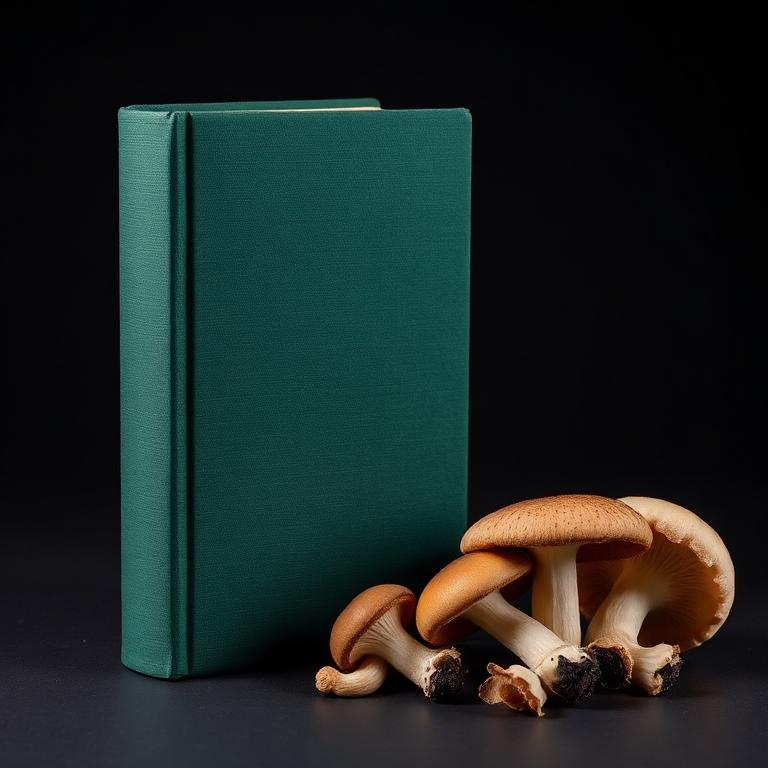
Regional Mushroom Field Guide
Buy the guide for your region, not a global one.
Buy the guide for your region, not a global one. Photos plus spore-print keys.
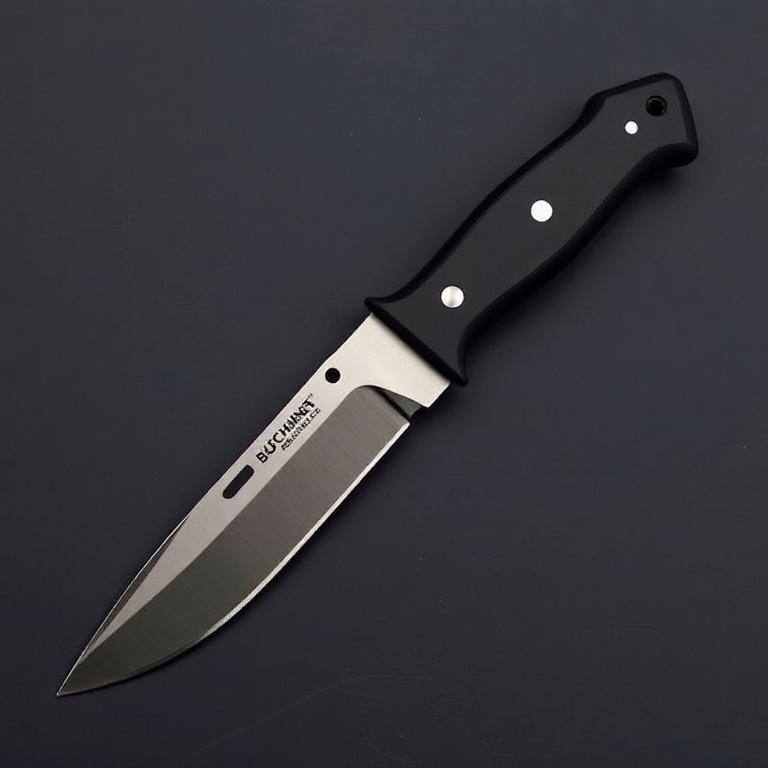
Morakniv Companion Heavy Duty
Morakniv
Cut mushrooms cleanly at the base.
The default bushcraft knife: Scandi grind, carbon steel, honest price. Check your local knife laws.
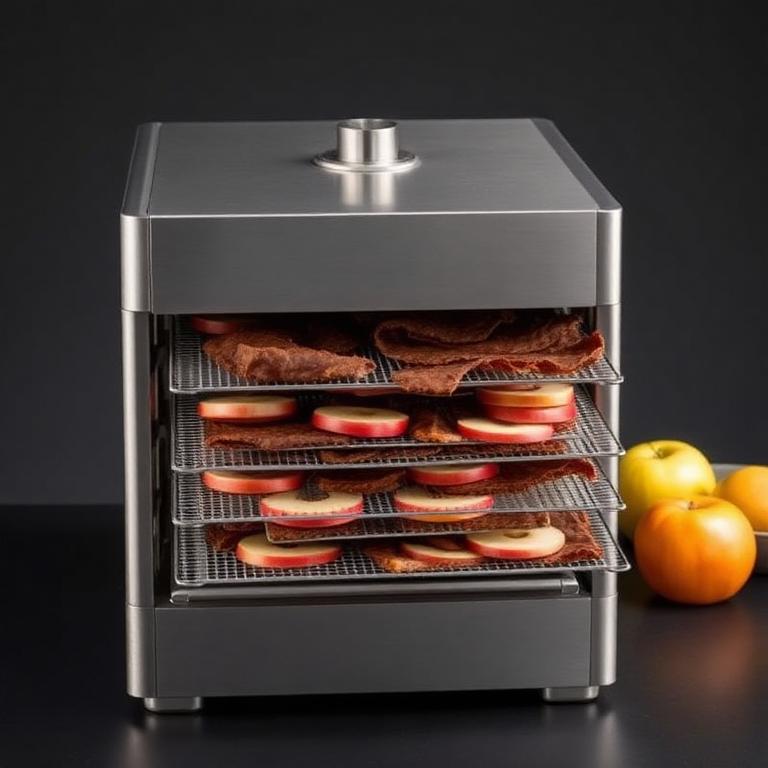
Food Dehydrator with Timer
Dry the confirmed harvest for storage.
Consistent low heat is what makes jerky and pemmican safe rather than risky.
Some links are affiliate links. If you buy through them we earn a small commission at no extra cost to you — it pays for testing gear, not for good reviews.