
Set Up an Off-Grid Fish Tank That Actually Feeds You
Set up an off-grid fish tank: cycling a 300-litre tote, solar aeration, stocking density for tilapia, feeding, water changes and how to avoid killing your first batch.
Watch a video tip
Video tipA related video tip that shows the technique in motion. It won't match this guide step for step — use it for the hand positions and timing, and follow the 6 steps below for the actual build.
A 300-litre food-grade tote, a solar air pump and about eight weeks of patience will produce edible fish on a plot the size of a parking space. The failure point is never the fish — it is water chemistry. Cycle the tank properly before you stock it and the rest is feeding and watching.
What you are actually building
A small, aerated closed system where bacteria convert fish waste to nitrate and either plants or water changes remove it. Get the bacteria established first and the system runs itself. Skip that and you will lose the entire first batch in a fortnight.
Set it up
- 01
Choose the vessel. A food-grade IBC tote or a stock tank, 300 litres or more. Never use a container that has held chemicals, and shade it so summer water stays under 30 degrees.
- 02
Install aeration first. A solar pond air pump with an air stone, running whenever there is light, plus a battery buffer so it also runs overnight. Oxygen is the one thing fish cannot wait for.
- 03
Cycle the water for 4-6 weeks. Add a small ammonia source and test until ammonia and nitrite both read zero within 24 hours while nitrate rises. That reading is your permission to stock.
- 04
Stock lightly. Start at roughly one fish per 20-30 litres. Tilapia for warm climates, trout for cold, carp for tolerance of almost anything. Overstocking is the second most common mistake after skipping cycling.
- 05
Feed small and often. Twice daily, only what is eaten in five minutes. Uneaten feed crashes water quality faster than fish waste does.
- 06
Change 10-20 percent of the water weekly, and use the removed nitrate-rich water on the vegetable beds. Test ammonia, nitrite, nitrate and pH every week without exception.
Powering it reliably
A 100W panel, a 20A MPPT controller and a modest battery run an air pump around the clock with margin to spare. Size the battery for two cloudy days, not for a sunny one — the pump stopping overnight is the single scenario that kills a whole tank.
Details most people get wrong
Common questions
How long until harvest? Tilapia reach plate size in roughly six to nine months at good temperatures; trout take longer in cold water.
Do I need plants? No, but a grow bed removes nitrate and turns the system into an aquaponics setup that produces vegetables alongside the fish.
Is it legal to keep and harvest fish? Species restrictions and permits vary widely by country and region. Check before you buy fingerlings.
Where the money genuinely matters
Buckets and totes are cheap. The parts worth buying properly are the air pump, the panel and the charge controller, because they are the life support. Spending sensibly there is not upgrading a hobby — it is the difference between a food source you can count on and a tank of dead fish after one cloudy weekend.
Gear you need for this hack
Everything below does the job in this guide. Improvise where you can — buy where it matters.
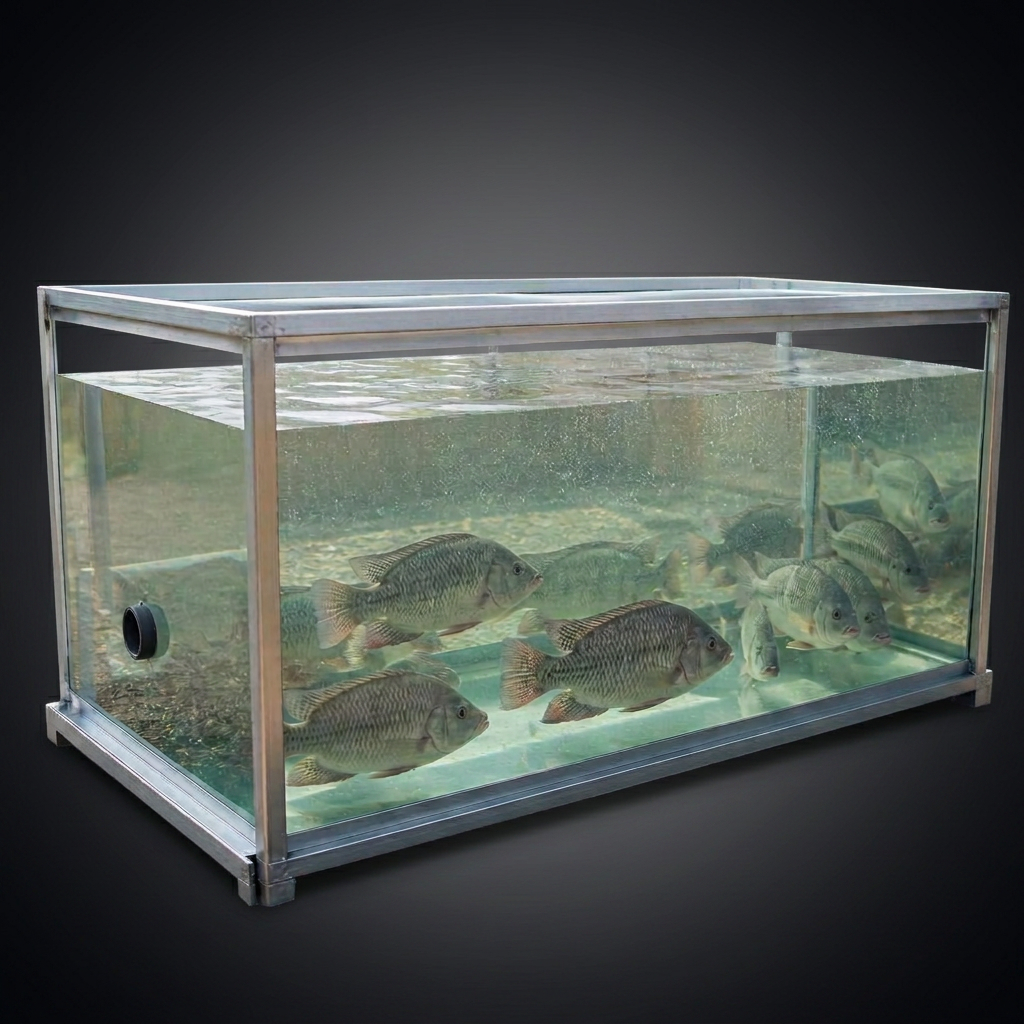
Food-grade IBC tote or stock tank
Generic
The tank itself — start small and clear so you can watch water quality and fish health daily.
Sturdy see-through tank for raising or holding fish — good starter vessel for a small off-grid aquaponics or fish-holding setup.
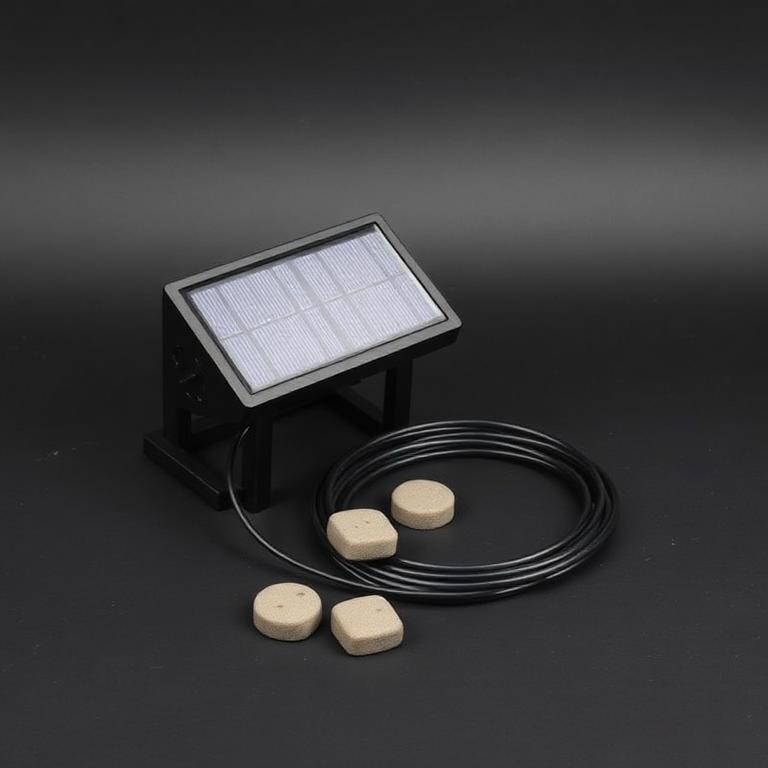
Solar Pond Air Pump Kit
Generic
Aeration is non-negotiable — this runs it straight off the sun.
Small 12V solar aeration kit with air stones — keeps oxygen up in a fish tank or tote without mains power.
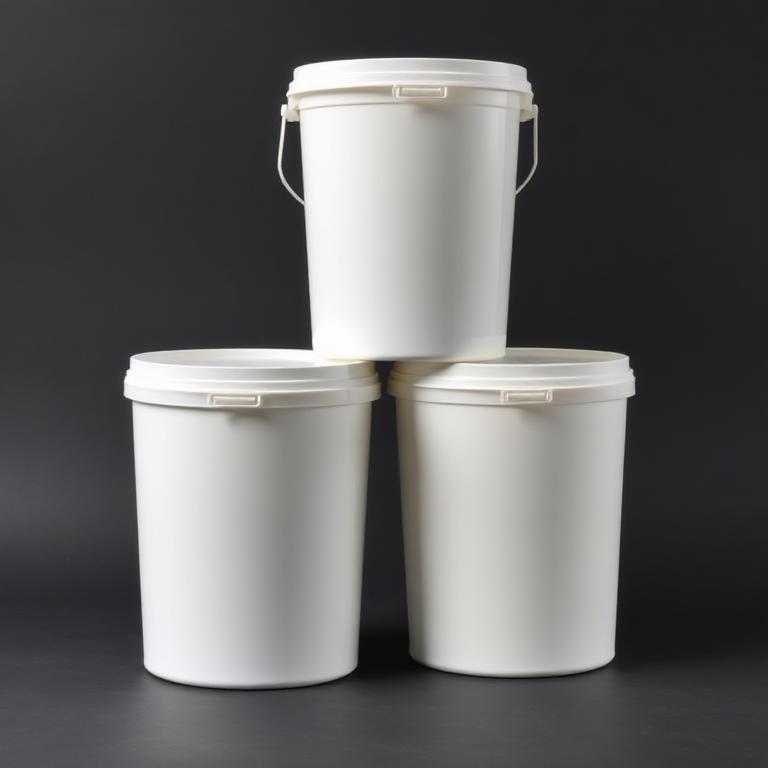
Food-Grade Buckets with Lids
Handy for water changes and mixing feed without contaminating the tank.
20 litre food-safe buckets: the body of a gravity filter, a root cellar or a rain barrel.
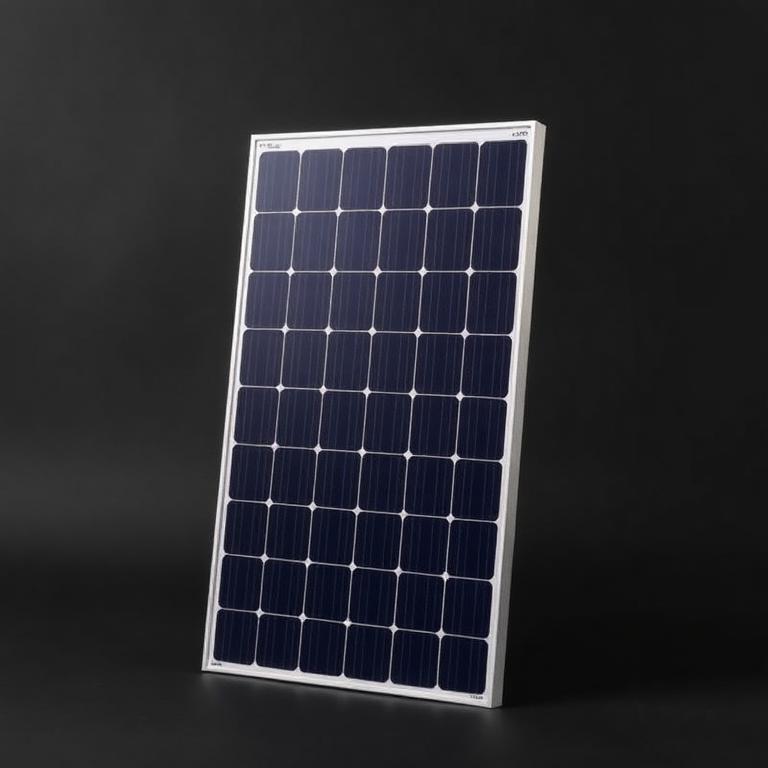
100W Monocrystalline Solar Panel
Renogy
Powers the pump and filter loop once the setup grows past a single tote.
The workhorse panel for a small off-grid system. Rigid, cheap per watt, 25-year life.
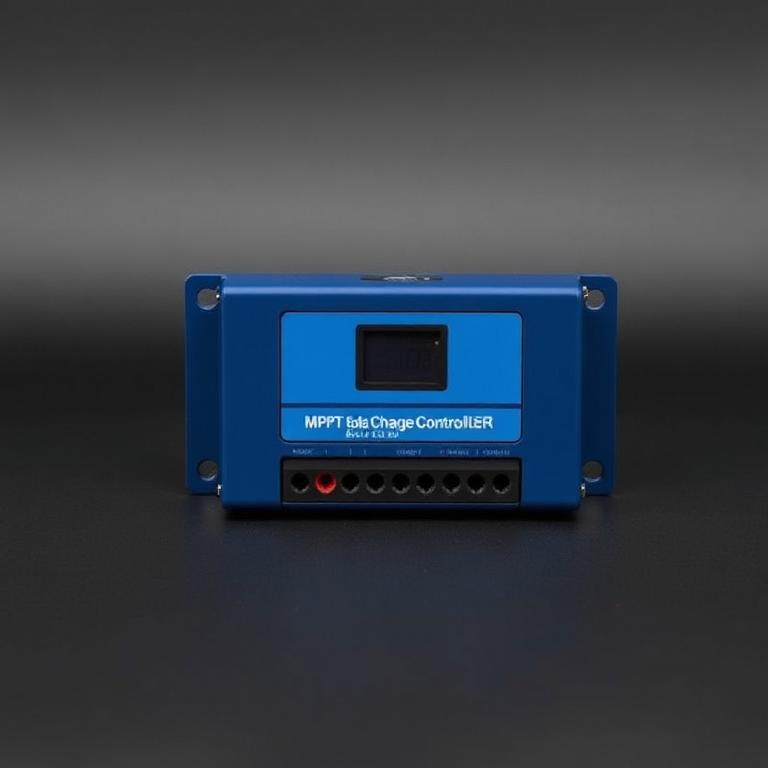
20A MPPT Charge Controller
Victron
Keeps the panel charging the pump battery efficiently through cloudy days.
Squeezes 20-30 percent more out of the same panel than a PWM controller in cold light.
Some links are affiliate links. If you buy through them we earn a small commission at no extra cost to you — it pays for testing gear, not for good reviews.
More Off-Grid Living
Build a Composting Toilet That Does Not Smell
How to build a composting toilet that does not smell: urine diversion, the right carbon cover material, ventilation and a safe composting cycle.
8 min read
Get a Genuinely Hot Shower From a 20L Solar Shower Bag
Get genuinely hot water from a 20L solar shower bag: fill temperature, sun timing, insulation tricks and how to stretch 20 litres into a proper wash.
7 min read