
Build a Composting Toilet That Does Not Smell
How to build a composting toilet that does not smell: urine diversion, the right carbon cover material, ventilation and a safe composting cycle.
Watch a video tip
Video tipA related video tip that shows the technique in motion. It won't match this guide step for step — use it for the hand positions and timing, and follow the 6 steps below for the actual build.
A composting toilet only smells when urine and solids mix. Separate them at the source and the bucket smells like a bag of woodchips — genuinely. This is the cheapest, most reliable off-grid sanitation there is, it uses no water, and you can build a working system in an afternoon.
Why separation is the whole trick
Urine is nearly sterile and nitrogen-rich. Solids are carbon-poor and biologically active. Together they produce ammonia and anaerobic rot. Apart, urine becomes diluted garden fertiliser and solids compost quietly under a carbon cover.
Build it
- 01
Fit a urine diverter at the front of the seat, draining to a sealed jerrycan or a soakaway well away from any water source.
- 02
Use a food-grade bucket for solids, sized so a full one is still liftable — 20 litres is the practical maximum.
- 03
Start with a carbon base layer. Five centimetres of coco coir, sawdust or dry wood shavings in the bottom of every fresh bucket.
- 04
Cover after every use. A generous scoop of cover material each time. Under-covering is the only real cause of odour in a separated system.
- 05
Vent the cabinet. A 12V computer fan on a small solar panel drawing air out through a pipe keeps the room at negative pressure and completely odour-free.
- 06
Empty into a dedicated compost bay and leave it for at least twelve months, ideally two summers, before it goes anywhere near growing food.
Safe operation
- Never use cat litter, lime or ash as cover — they kill the composting organisms
- Keep the humanure pile separate from garden compost and label it clearly
- Wash hands and tools properly; treat the pile as a pathogen source until fully matured
- Use matured compost on trees and ornamentals rather than salad crops
Details most people get wrong
Common questions
What about winter? Composting slows but does not stop. The pile just needs more time before use.
Does it need power? No. The fan is optional and runs happily off a small solar panel. Everything else is passive.
Is it legal? Rules vary by country and municipality, especially for permanent dwellings. Check local sanitation regulations before installing.
Small cost, large independence
A diverter, a couple of food-grade buckets, a bale of coco coir and a small fan is a very modest outlay for sanitation that works when the water is off, the septic is full or the cabin has no plumbing at all. It is the least glamorous purchase on this site and one of the ones people are most glad they made.
Gear you need for this hack
Everything below does the job in this guide. Improvise where you can — buy where it matters.
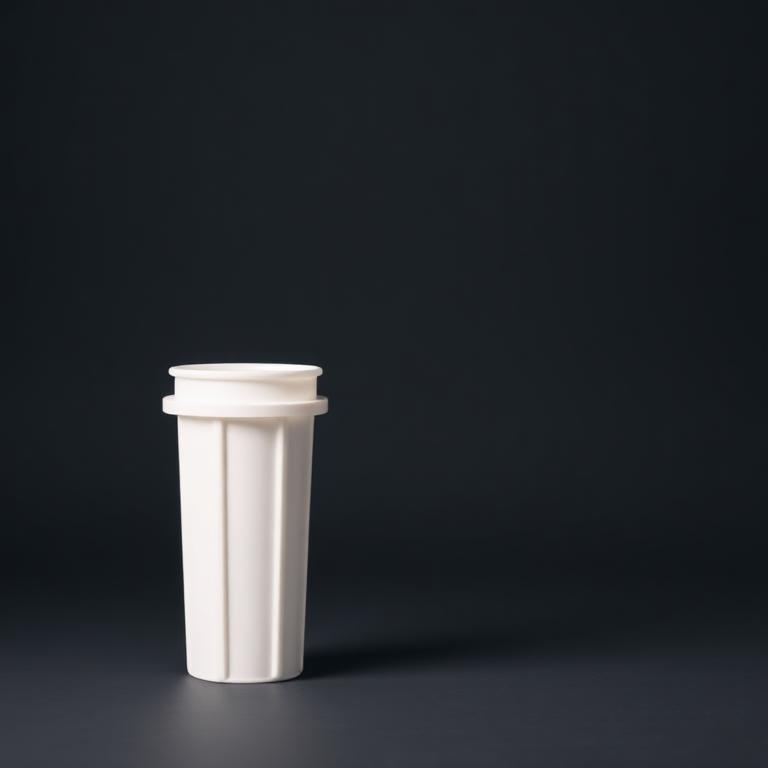
Composting Toilet Urine Diverter
Separating liquids is the whole trick.
Separating liquids from solids is the whole trick behind a toilet that does not smell.
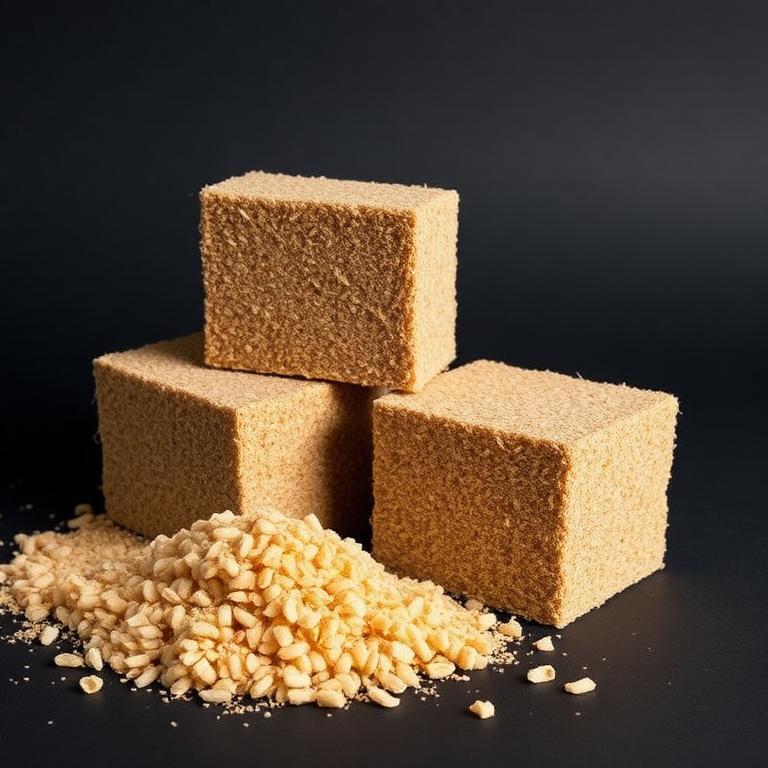
Coco Coir Bricks
The cover material that does the composting.
The cover material that turns a bucket toilet into a composting toilet.
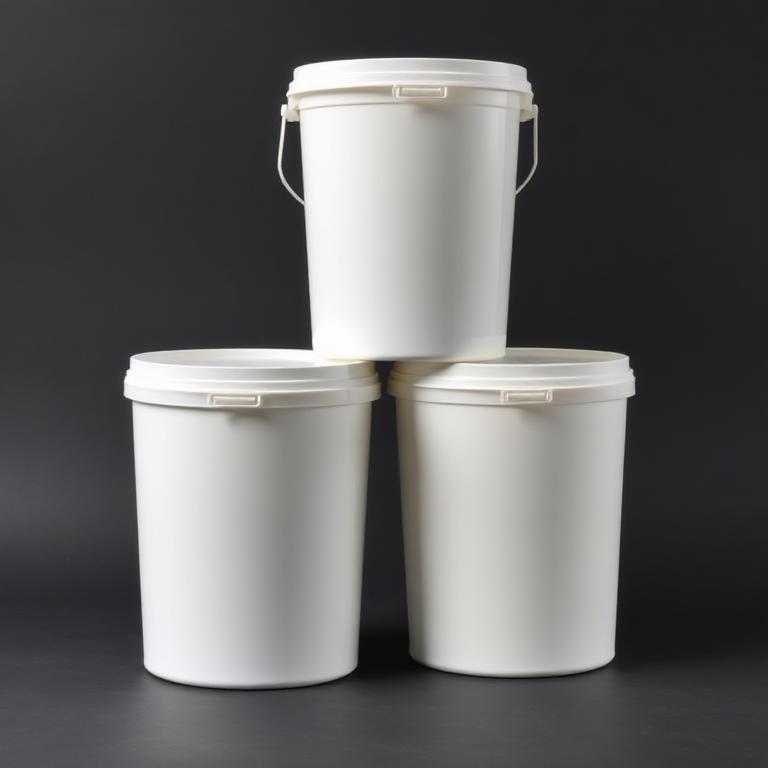
Food-Grade Buckets with Lids
The solids bucket.
20 litre food-safe buckets: the body of a gravity filter, a root cellar or a rain barrel.
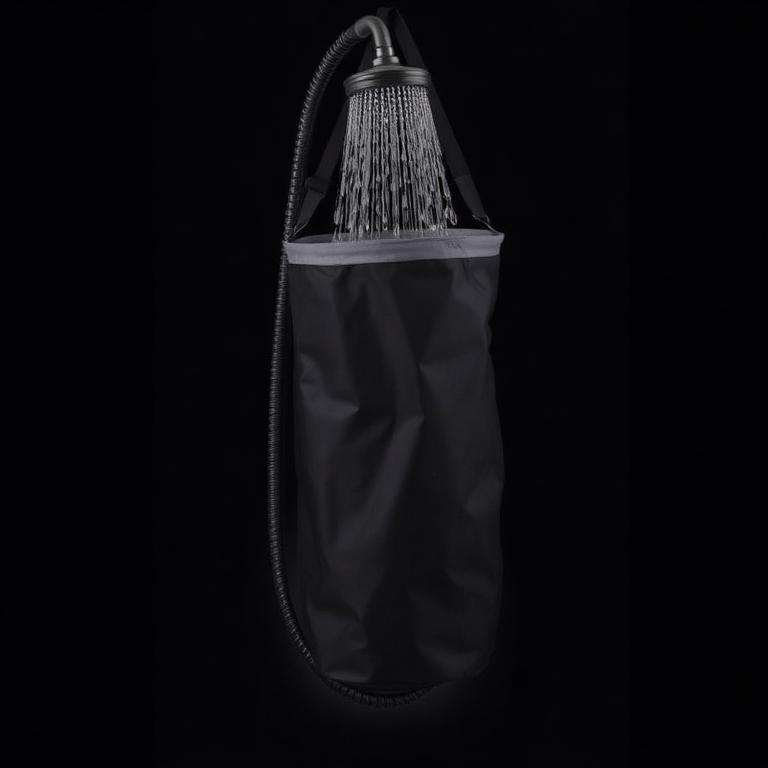
20L Solar Shower Bag
The other half of an off-grid bathroom.
Black PVC bag, four hours of sun, a genuinely hot shower off grid.
Some links are affiliate links. If you buy through them we earn a small commission at no extra cost to you — it pays for testing gear, not for good reviews.
More Off-Grid Living
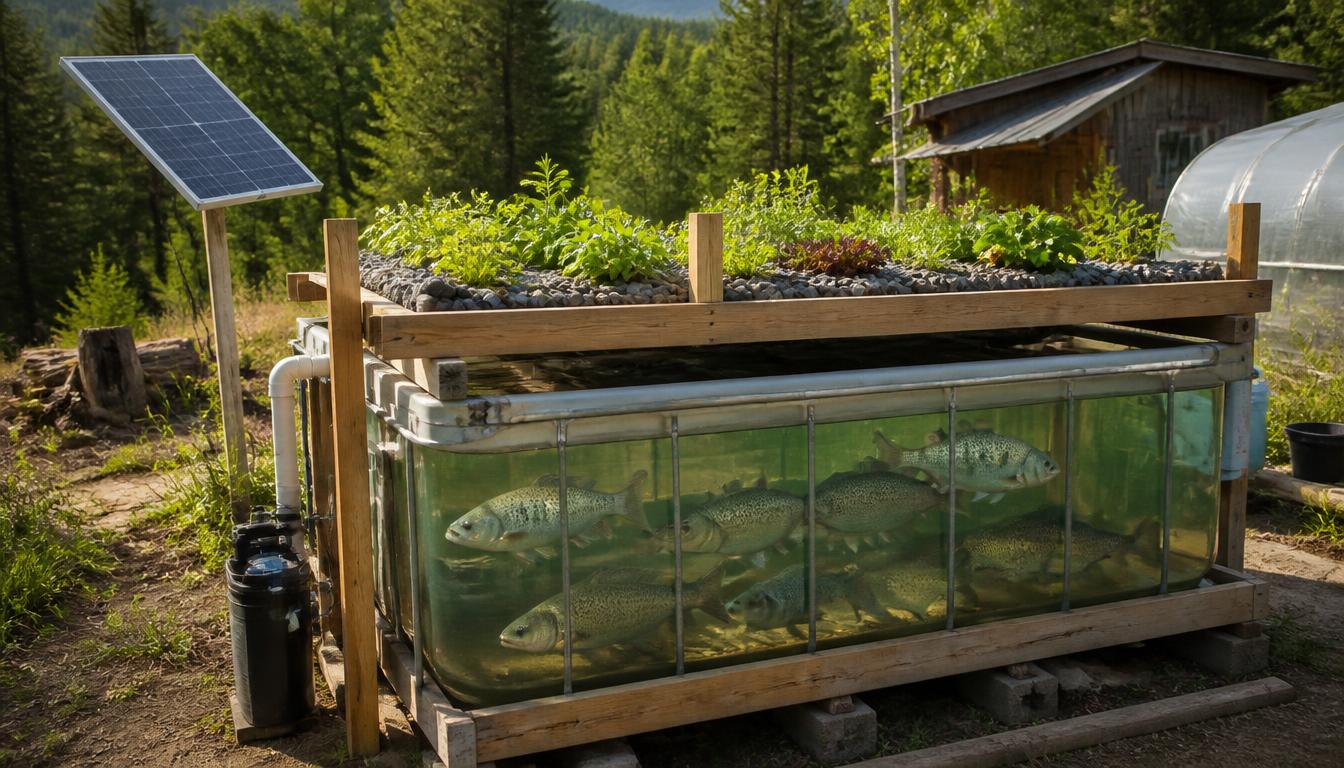
Set Up an Off-Grid Fish Tank That Actually Feeds You
Set up an off-grid fish tank: cycling a 300-litre tote, solar aeration, stocking density for tilapia, feeding, water changes and how to avoid killing your first batch.
8 min read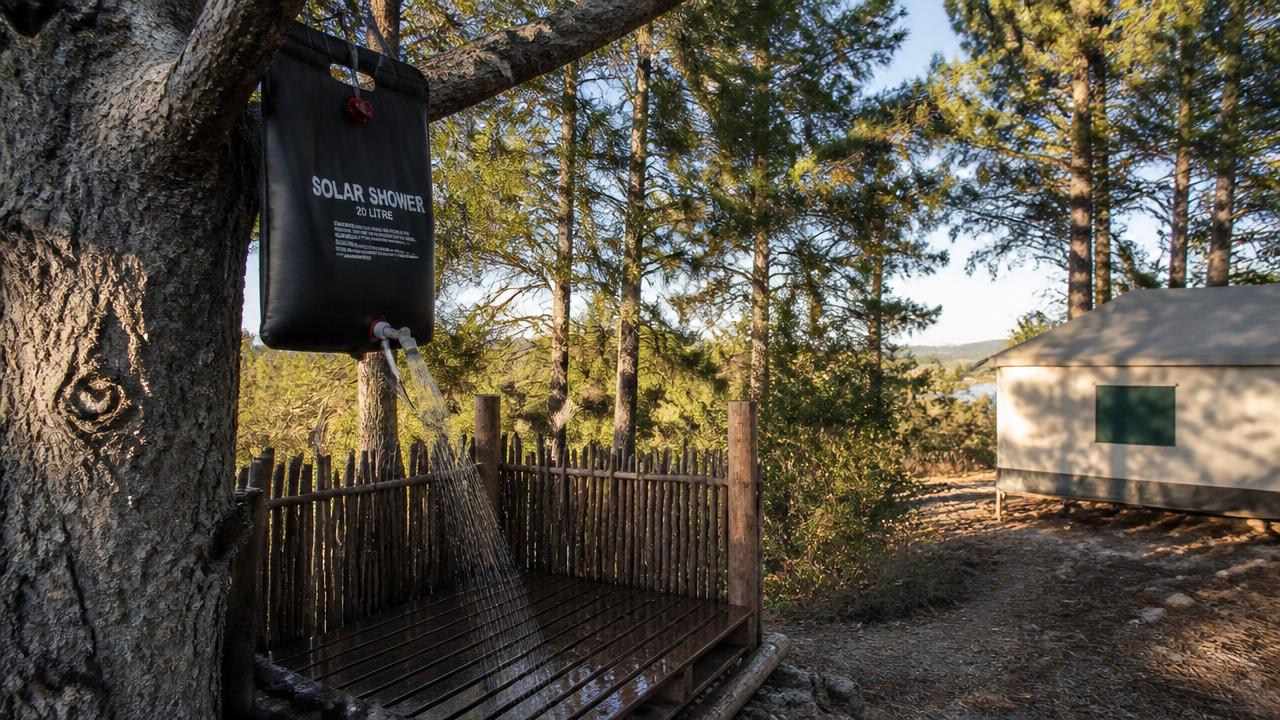
Get a Genuinely Hot Shower From a 20L Solar Shower Bag
Get genuinely hot water from a 20L solar shower bag: fill temperature, sun timing, insulation tricks and how to stretch 20 litres into a proper wash.
7 min read