One-Match Fire in Wet Weather
How to light a one-match fire in the rain: where to find dry wood after days of rain, how to build a feather-stick tinder bundle and keep the flame alive.
How it works, step by step
Look up
Look up, not down. Ground wood is a sponge. Break dead branches still attached to standing trees — snap them, and if they crack cleanly they are dry enough.
Rain does not stop a fire — wet tinder does. After three days of drizzle the outside of the forest is soaked, but the dry fuel is still there: inside standing deadwood, under the trunk lean of conifers, and in the resin-rich heart of old stumps. Learn where that wood hides and you can put flame to tinder on the first strike, in weather that leaves other people cold.
Why wet-weather fire is a safety skill, not a party trick
Hypothermia does not wait for a dry day. Most cold-weather emergencies happen in the 2-10 degree band with rain and wind, exactly when fire is hardest and matters most. Practising this on a wet Saturday afternoon is the cheapest insurance you will ever buy.
What you need
- A ferrocerium rod, and stormproof matches as a backup that works with cold, wet hands
- A folding saw to open standing deadwood and reach dry heartwood
- A knife you can baton with, to split wood down to dry cores
- A few fatwood sticks as an honest cheat when conditions are brutal
Find and build the fire
- 01
Look up, not down. Ground wood is a sponge. Break dead branches still attached to standing trees — snap them, and if they crack cleanly they are dry enough.
- 02
Split everything. Rain only penetrates a few millimetres. Baton wrist-thick pieces into quarters and the pale inner faces are dry fuel.
- 03
Make feather sticks. Shave long curls off a dry split face with a fine, controlled slice. Three good feather sticks beat a pocket of damp birch bark.
- 04
Prepare a full ladder of fuel before you strike. Tinder, matchstick-thin kindling, pencil, thumb, wrist — laid out and within reach. Most failures are a fire that starved while you searched for the next size.
- 05
Build off the wet ground. Two green logs or a bed of split wood keeps your fire out of standing water and lets air feed it from below.
- 06
Strike into the tinder, then leave it alone. Shield the flame with your body, feed only when the flame is climbing, and resist rearranging.
The mistakes that cost people a fire
- Collecting fuel off the forest floor because it is close
- Lighting before the kindling ladder is ready
- Building on soaked ground, which steals heat and smothers airflow
- Crowding the fire so it cannot breathe
Details most people get wrong
Common questions
Can I light a fire in falling rain? Yes, with a shelter over the fire lay — a tarp corner or a leaning slab of bark for the first five minutes is enough. Once the fire is established, light rain is irrelevant.
Is a lighter enough? A lighter is convenient until it is cold and wet. A ferro rod works soaked, at altitude and at minus twenty, which is why it belongs in every pack alongside whatever else you carry.
Where kit is worth the money
Nothing here needs an expensive setup. A ferro rod, a small folding saw and a knife you trust cost less than a night in a hotel and turn a miserable, dangerous night into a manageable one. That is not gear collecting — it is a small, one-off investment in never being the person who cannot get warm.
Gear you need for this hack
Everything below does the job in this guide. Improvise where you can — buy where it matters.
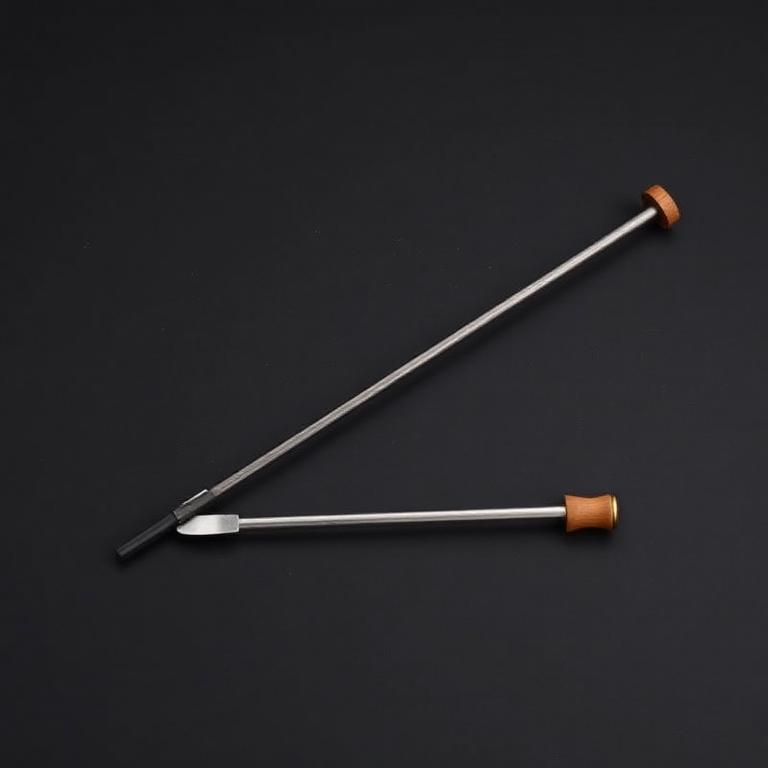
Ferrocerium Rod with Striker
Backup ignition when the last match is gone.
Works soaked, frozen and windy. The one fire tool that does not run out or leak.
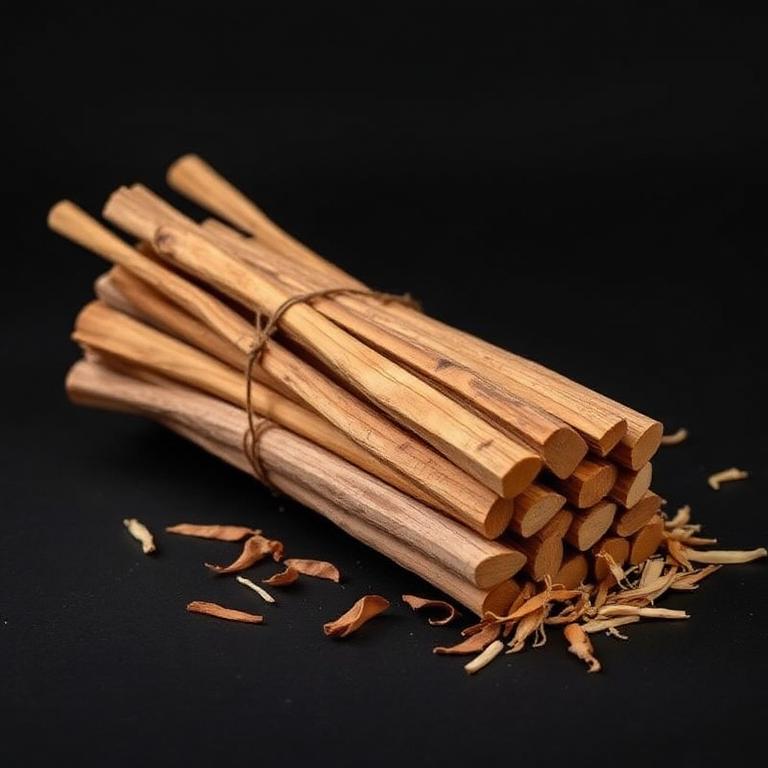
Fatwood Fire Starter Sticks
Lights soaked; this is what makes one match enough.
Resin-soaked pine that lights wet. Shave a pile and a single match becomes enough.
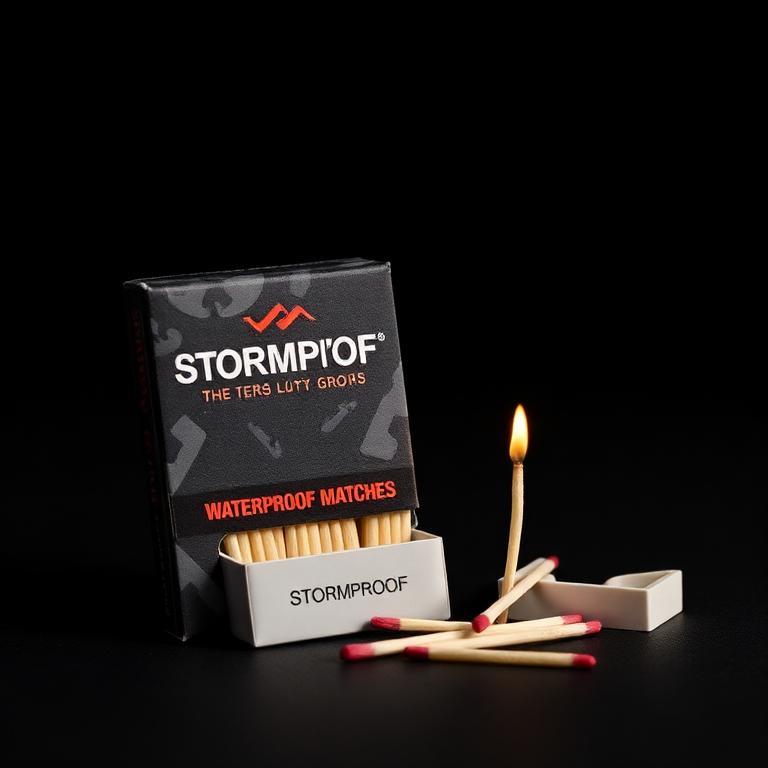
Stormproof Matches
UCO
The match that survives wind and rain.
Relight after being dunked and burn in wind. Carry them in the waterproof case.
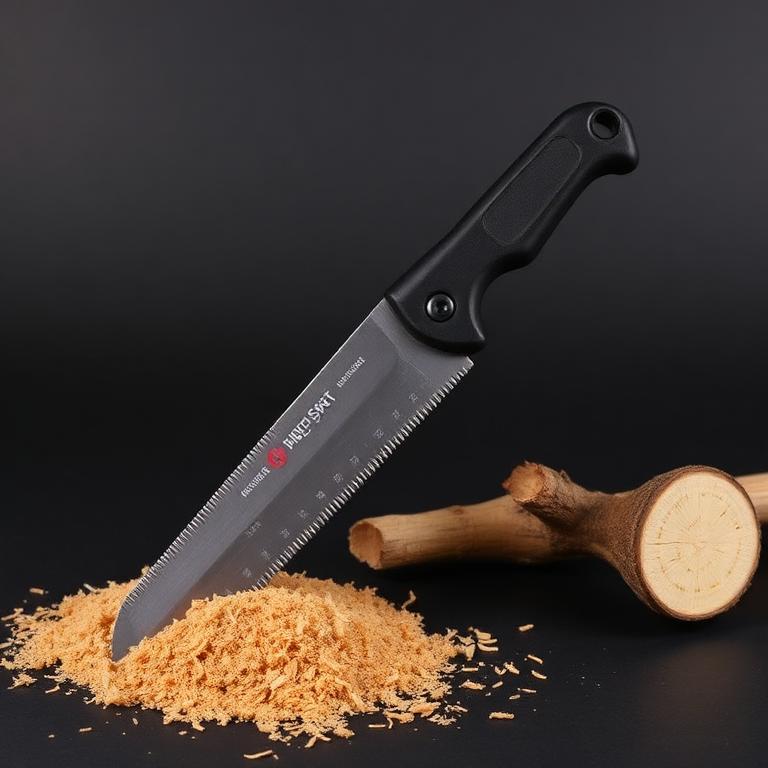
Silky PocketBoy Folding Saw
Silky
Gets you to dry inner wood fast.
Cuts firewood faster and safer than batoning. Pairs with any fixed-blade knife.
Some links are affiliate links. If you buy through them we earn a small commission at no extra cost to you — it pays for testing gear, not for good reviews.
More Fire & Cooking
Five Fast Wild Food Recipes You Can Cook Anywhere
Five fast wild food recipes for camp: nettle soup, pan trout, dandelion salad, wild mushroom fry and bannock — each under 20 minutes with one pot and one knife.
8 min read
Build a Tin-Can Rocket Stove in 20 Minutes
Build a tin-can rocket stove in 20 minutes: a fuel-efficient DIY camp stove that boils a litre of water on a handful of twigs, with cutting and airflow details.
7 min read