Five Knots That Do 90 Percent of Camp Work
The five camp knots worth learning: bowline, taut-line hitch, clove hitch, sheet bend and trucker's hitch — what each one is for and how to tie it reliably.
Watch a video tip
Video tipA related video tip that shows the technique in motion. It won't match this guide step for step — use it for the hand positions and timing, and follow the 5 steps below for the actual build.
You do not need a knot encyclopedia. Five knots cover anchoring, tensioning, joining, hitching and hauling, which is roughly ninety percent of what rope does around a camp. Learn these until your hands can tie them in the dark and rope stops being a problem.
Why these five
Each one solves a category of problem, and each one unties again after being loaded — which is the property that separates a useful knot from a permanent lump in your paracord.
The knots
- 01
Bowline. A fixed loop that will not slip or jam under load. Use it to anchor a ridgeline, secure a load, or make a rescue loop. Practise it one-handed.
- 02
Taut-line hitch. An adjustable hitch that grips under tension and slides when you push it. This is what tensions guy lines without buying hardware.
- 03
Clove hitch. Fast attachment to a post or pole, tieable mid-rope. Ideal for lashings and quick tarp corners. Back it up with a half hitch under sustained load.
- 04
Sheet bend. Joins two ropes, including ropes of different thickness where a reef knot fails dangerously. Double it for slippery cord.
- 05
Trucker''s hitch. A rope-only pulley giving roughly 3:1 mechanical advantage. Tensions ridgelines drum-tight and lashes loads to a roof rack.
Details most people get wrong
Getting them into your hands
- Learn each knot in five different orientations, not just facing you on a table
- Tie them with gloves on and with eyes closed
- Learn to untie them under load as deliberately as you tie them
- Carry cord you trust; cheap cord with a hollow core fails without warning
Common questions
What rope should I carry? Genuine 550 paracord with seven inner strands for general camp work, plus a length of thicker static line if you rig heavy loads. Thirty metres covers a shelter, a ridgeline and repairs.
Is a reef knot ever right? For tying a bandage or a bundle, yes. For joining two loaded ropes, never — use a sheet bend.
Small kit, large return
Rope is the cheapest capability in your pack. Thirty metres of genuine paracord, a knife to cut and fuse it, and an afternoon of practice gives you shelters, repairs, load hauling and rescue options for the price of a pizza. Buying real cord rather than the unbranded imitation is one of those small decisions you only regret when it matters.
Gear you need for this hack
Everything below does the job in this guide. Improvise where you can — buy where it matters.
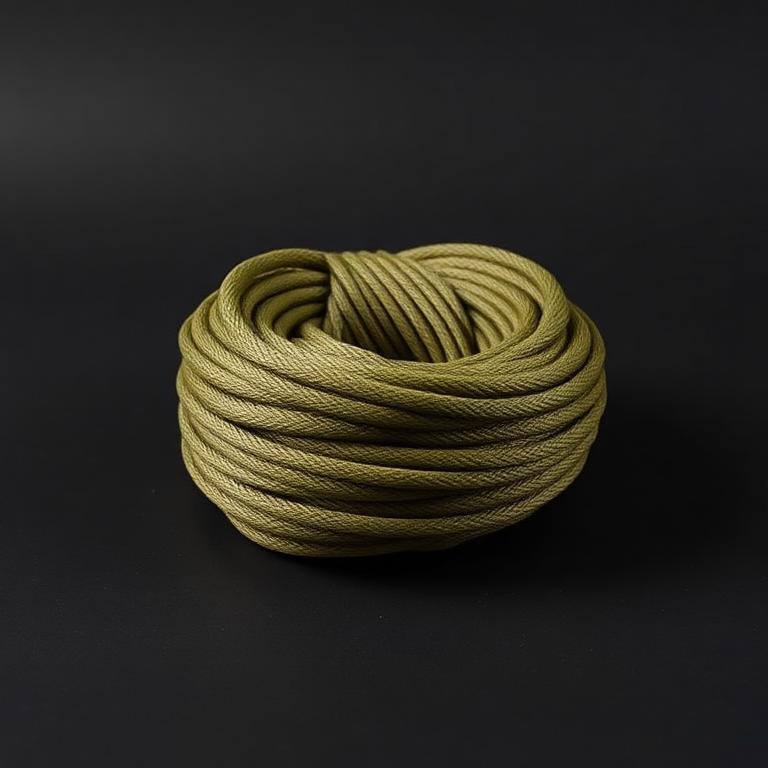
550 Paracord, 30m
Practise on real 7-strand cord.
Ridgelines, guylines, lashings and repairs. Buy real 7-strand cord.
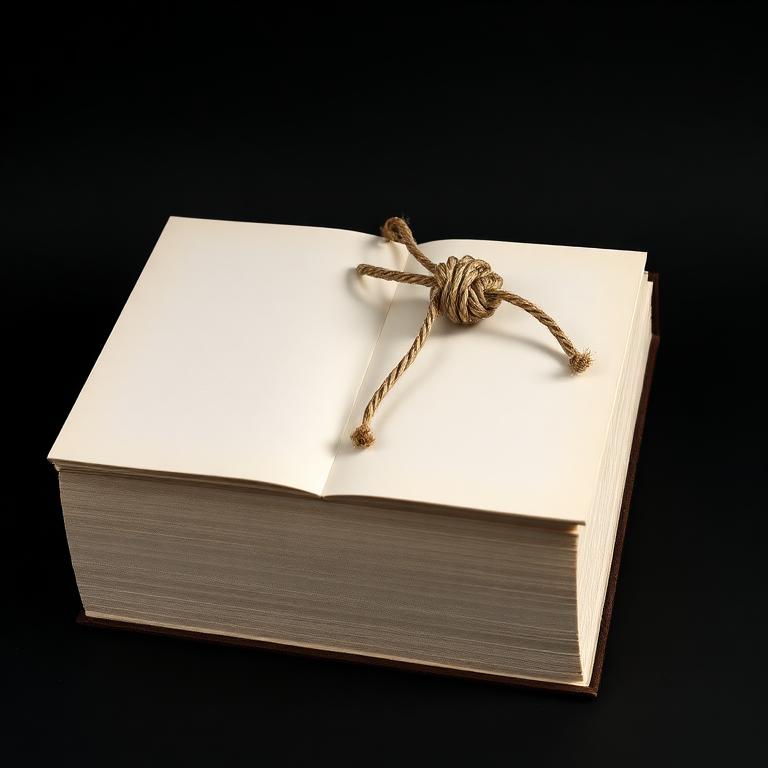
The Ashley Book of Knots
Clifford Ashley
Everything you will ever need to tie.
Overkill in the best way. Everything you will ever tie is in here.
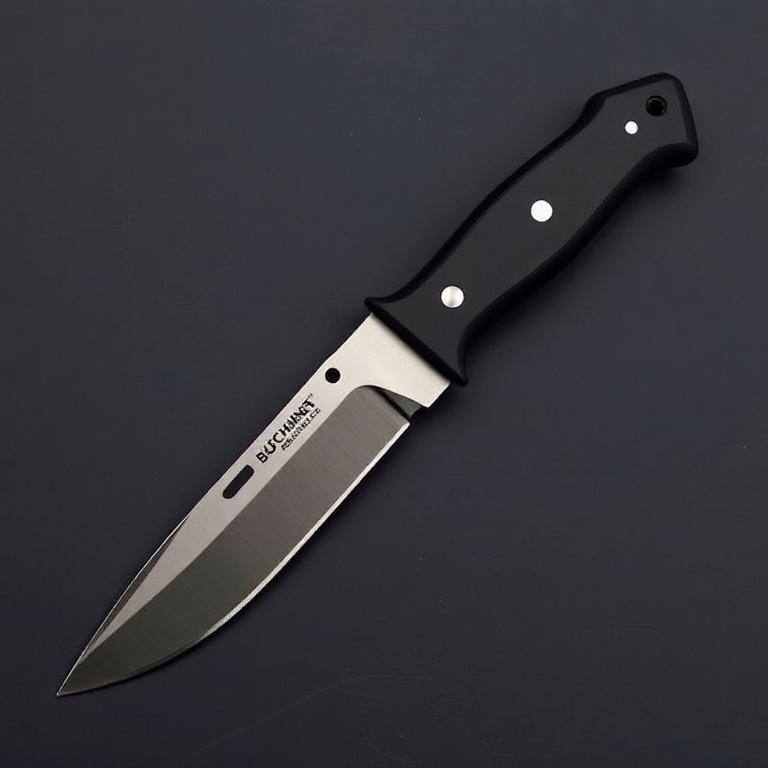
Morakniv Companion Heavy Duty
Morakniv
For cutting and whipping cord ends.
The default bushcraft knife: Scandi grind, carbon steel, honest price. Check your local knife laws.
Some links are affiliate links. If you buy through them we earn a small commission at no extra cost to you — it pays for testing gear, not for good reviews.