Fat-Sealed Meat and Pemmican Basics
How to make pemmican and fat-sealed meat: drying meat properly, rendering tallow, the correct ratio, and the hygiene rules that keep it shelf-stable.
How it works, step by step
Choose lean meat
Choose lean meat. Beef, venison or elk, trimmed of every scrap of fat. Muscle fat goes rancid; rendered tallow does not.
Pemmican is the most calorie-dense shelf-stable food ever made: dried meat powdered and bound in rendered fat, roughly 6,000 calories per kilogram, stable for years without refrigeration. It is also the food most often made badly, because people skip the two steps that matter — drying to brittleness and rendering fat clean.
Why fat is the preservative
Water spoils food; fat excludes it. Fully rendered tallow sets solid, seals out air and moisture, and carries the calories. Any residual moisture in the meat, or any meat solids left in the fat, is where spoilage begins.
Make it
- 01
Choose lean meat. Beef, venison or elk, trimmed of every scrap of fat. Muscle fat goes rancid; rendered tallow does not.
- 02
Slice thin and dry hard. Two to three millimetres, dehydrated at 60-70 degrees until it snaps rather than bends. Bending means water is still present.
- 03
Powder the meat. Blender or mortar until it is a coarse flour. Larger pieces trap air pockets.
- 04
Render fat properly. Simmer suet gently, strain twice through cloth, and discard every solid. Clean tallow is pale and odourless when set.
- 05
Mix by weight, roughly 50:50. Pour warm tallow into the meat powder until it just binds and no dry powder remains.
- 06
Press and store cold and dark. Press into a mould, cool, then vacuum-seal or store in sealed jars away from light and heat.
Storage and hygiene
- Sterilise everything; you are removing water, not killing bacteria later
- Store below 20 degrees for multi-year life; a cool cellar is ideal
- Vacuum-sealed blocks keep far longer than jars because oxygen is the other enemy
- Rancid fat smells like old crayons — trust your nose and discard
Details most people get wrong
Common questions
Can I add fruit? Traditional pemmican often includes dried berries. They shorten shelf life somewhat because of residual sugar and moisture, so make smaller batches.
Is it pleasant? It is fuel, not a treat. Season it well and think of it as a ration for cold days, hard work and emergencies.
Equipment that earns its keep
A dehydrator with a timer, an instant-read thermometer and a vacuum sealer are the three purchases that turn preserving from a gamble into a repeatable process. They are also the same tools you will use for jerky, dried fruit and garden surplus every year — which is why they belong in the household budget rather than a prepping wishlist.
Gear you need for this hack
Everything below does the job in this guide. Improvise where you can — buy where it matters.
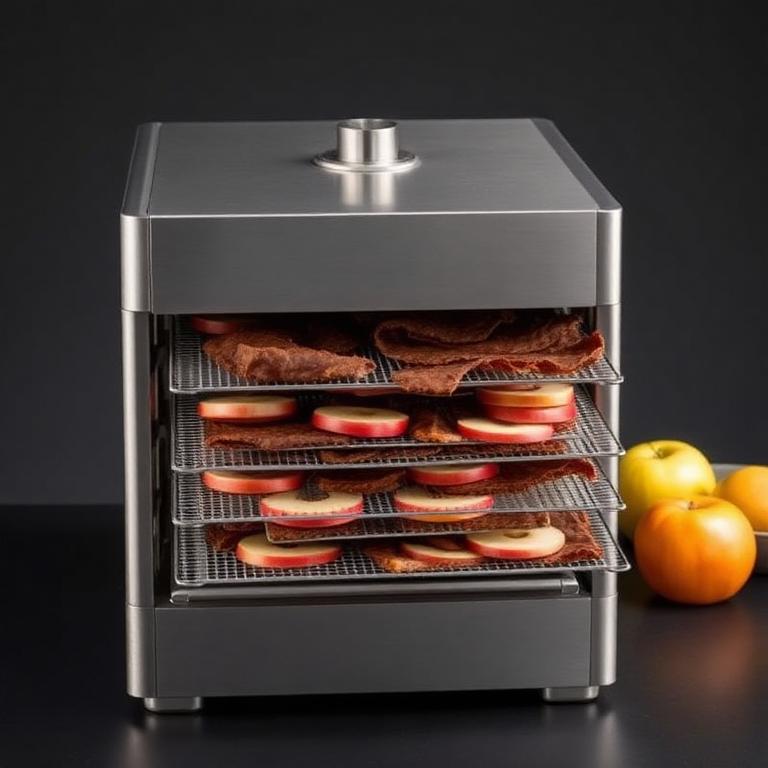
Food Dehydrator with Timer
Consistent low heat is what makes this safe.
Consistent low heat is what makes jerky and pemmican safe rather than risky.
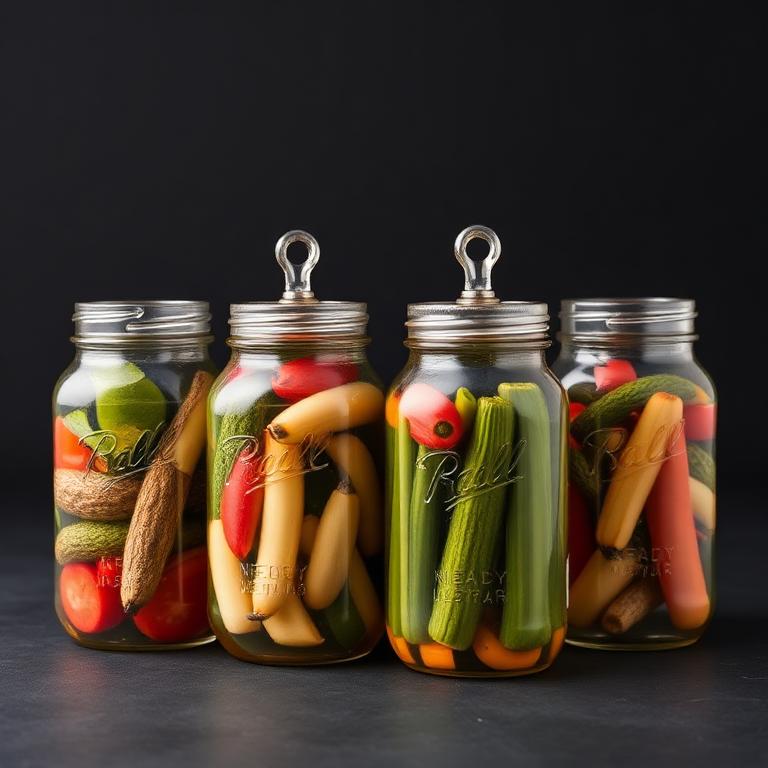
Mason Jars with Fermentation Lids
Seal the fat over the meat.
For pickling, fermenting and keeping fats sealed over preserved meat.
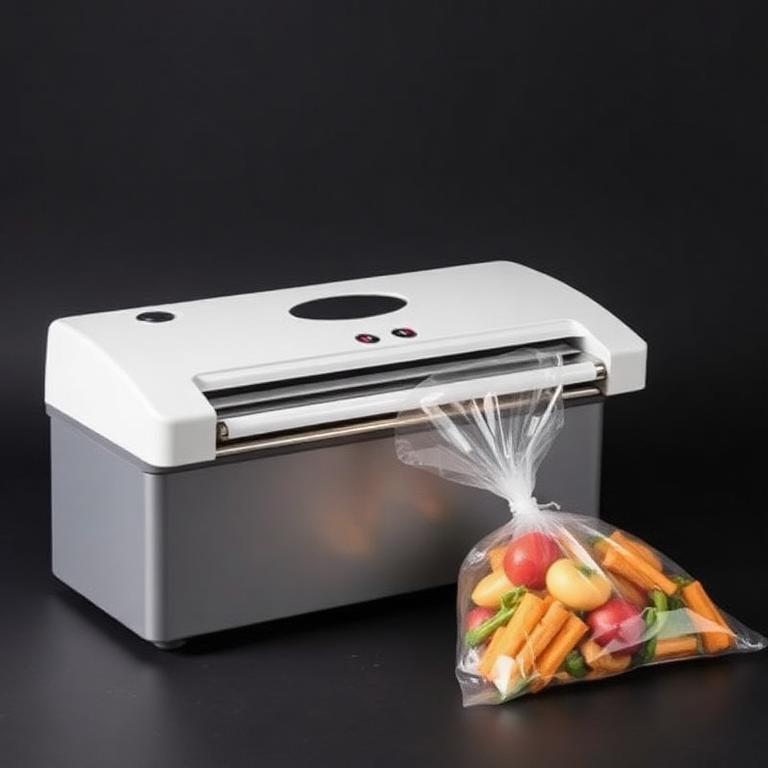
Vacuum Sealer with Bags
Removes the oxygen that spoils it.
Removes the oxygen that spoils dried and smoked food. Doubles shelf life easily.
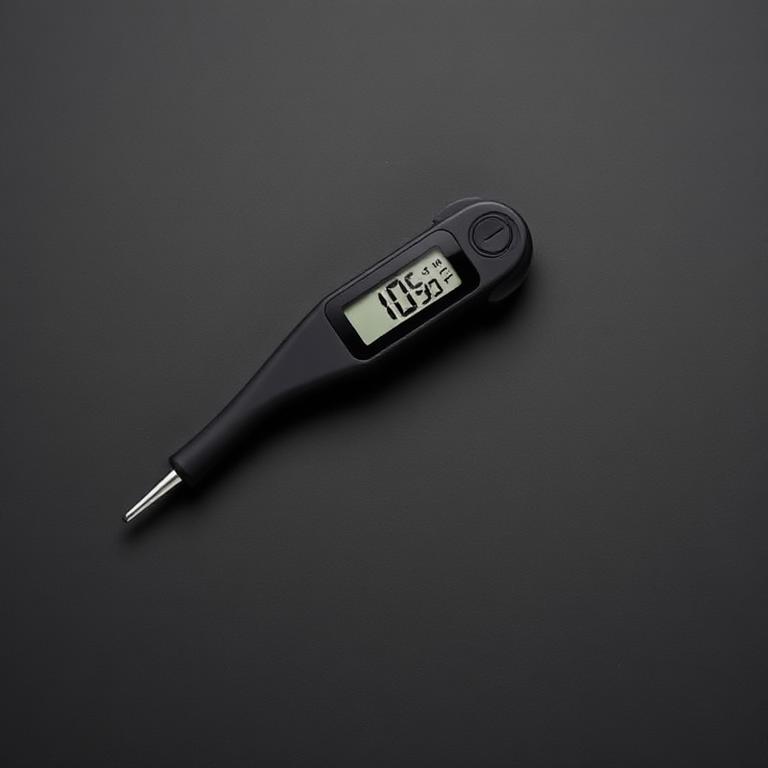
Instant-Read Thermometer
Do not guess rendering temperatures.
Preserving without a thermometer is guessing. Guessing is how people get ill.
Some links are affiliate links. If you buy through them we earn a small commission at no extra cost to you — it pays for testing gear, not for good reviews.