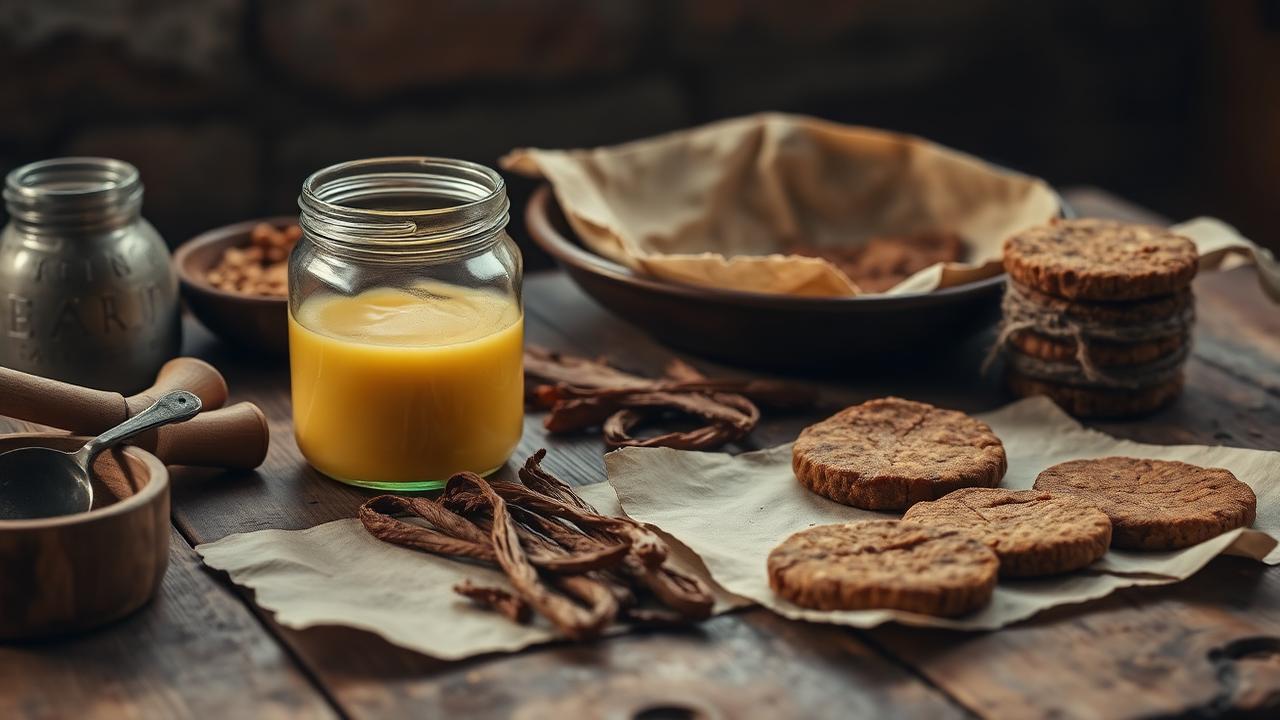
The Bucket Root Cellar
Build a bucket root cellar: how to bury a food-grade bucket to hold carrots, beets and potatoes at cellar temperature all winter without a basement.
How it works, step by step
Pick a spot
Pick a spot. Well-drained, shaded, and somewhere you can reach in snow. Avoid low ground where water collects.
Root vegetables do not need a basement. They need darkness, high humidity and a steady temperature just above freezing — and 60 cm of soil delivers all three for free. A buried food-grade bucket holds a winter''s worth of carrots, beetroot and turnips in better condition than any fridge.
Why buried storage beats the fridge
Below about half a metre, soil temperature barely moves with the weather. Humidity stays near saturation, which is exactly what roots need to avoid going rubbery. And it uses no electricity at all, so a power cut changes nothing.
Build it
- 01
Pick a spot. Well-drained, shaded, and somewhere you can reach in snow. Avoid low ground where water collects.
- 02
Dig to the bucket''s depth plus 10 cm. Add gravel in the base for drainage so the bucket never sits in water.
- 03
Sink a food-grade bucket so the rim sits a couple of centimetres above ground level, keeping surface water out.
- 04
Layer roots in damp sand or coco coir. Alternate a layer of medium and a single layer of vegetables so they never touch each other.
- 05
Lid it and insulate. Sealed lid, then a thick pile of straw or leaves on top, then a board or stone to hold it down.
- 06
Check monthly with a thermometer. Aim for 0-4 degrees. Remove any soft vegetable immediately; one rotting root spoils the layer.
What stores well, and what does not
- Good: carrots, beetroot, turnips, swede, parsnips, potatoes in the dark, winter radish
- Poor: onions and garlic, which want dry storage, and apples, which gas everything else with ethylene
- Cure potatoes and squash for a week before storing, or they rot
- Never store vegetables damaged during harvest
Details most people get wrong
Common questions
Does it work in mild winters? Yes, but check temperature more often. Above 7 degrees, roots start sprouting and shelf life shortens.
Rodents? Hardware cloth around the buried bucket and a weighted lid solves it. Never rely on the lid alone.
Cheap capacity, real resilience
Two food-grade buckets, a bag of coco coir and a thermometer is a genuinely tiny outlay for months of stored food that needs no power and no maintenance. It is the sort of quiet, unglamorous preparation that turns a bad harvest, a price spike or a long outage into something you barely notice.
Gear you need for this hack
Everything below does the job in this guide. Improvise where you can — buy where it matters.
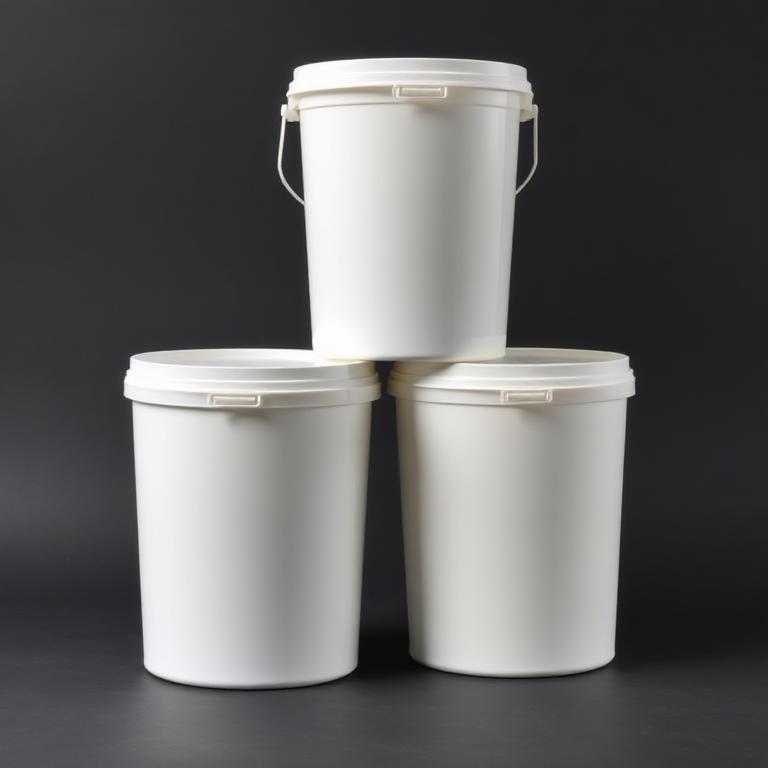
Food-Grade Buckets with Lids
The cellar itself.
20 litre food-safe buckets: the body of a gravity filter, a root cellar or a rain barrel.
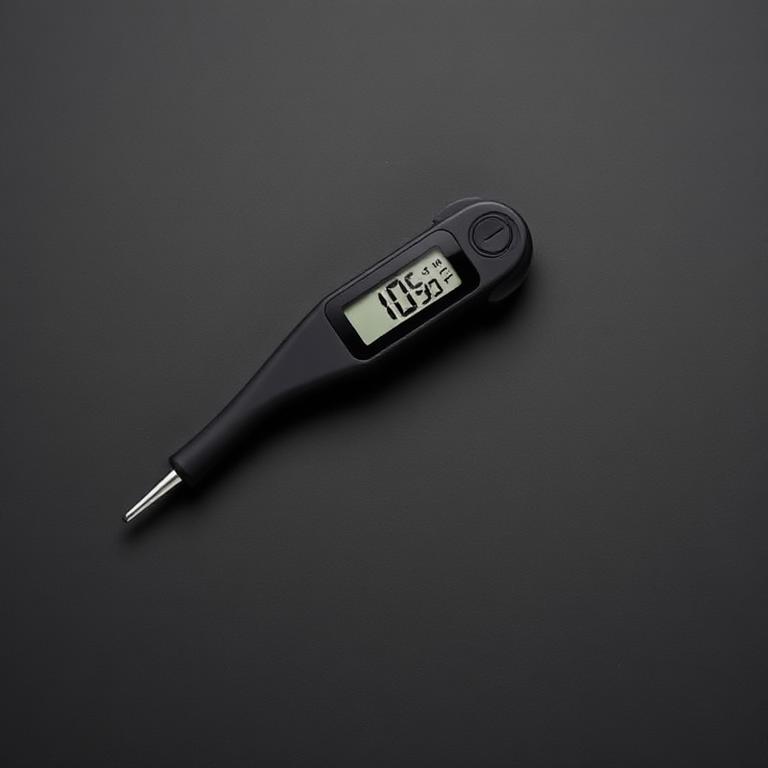
Instant-Read Thermometer
Check the storage temperature is actually cold enough.
Preserving without a thermometer is guessing. Guessing is how people get ill.
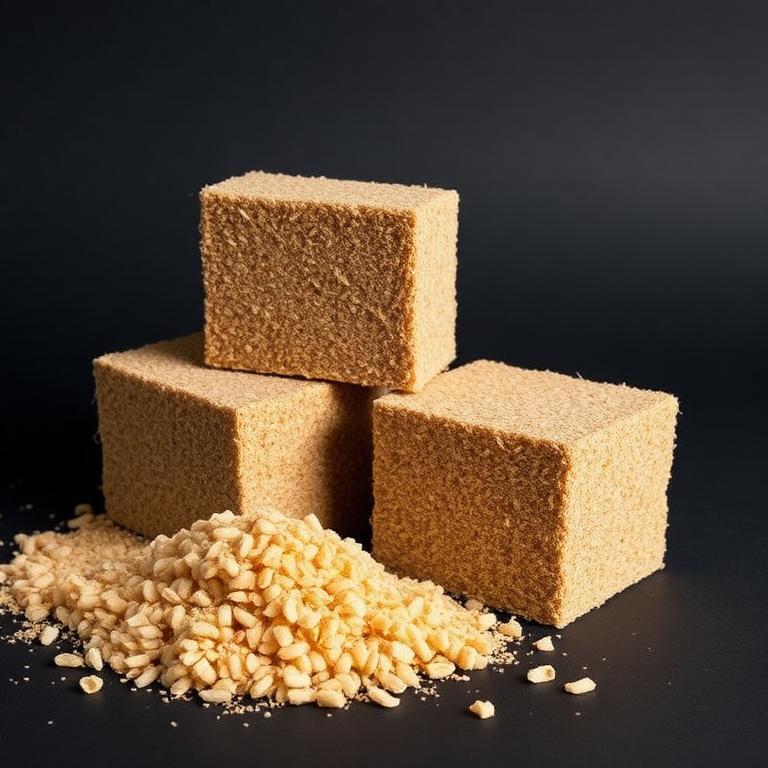
Coco Coir Bricks
Damp packing medium for roots.
The cover material that turns a bucket toilet into a composting toilet.
Some links are affiliate links. If you buy through them we earn a small commission at no extra cost to you — it pays for testing gear, not for good reviews.