What Actually Belongs in a 72-Hour Bag
What actually belongs in a 72-hour bag: an honest packing list by weight, covering water, shelter, warmth, light, medical, documents and navigation.
How it works, step by step
Water
Water — 2 litres carried, plus a filter. Water is the shortest clock. A hollow-fibre squeeze filter weighs almost nothing and turns every stream into supply. Add purification tablets as a chemical backup.
Most bug-out bags are too heavy to carry for an hour and missing the things that decide outcomes. A 72-hour bag has one job: keep you alive, warm, hydrated, informed and mobile for three days while you get somewhere better. Build it by weight and by priority, and everything unnecessary falls out on its own.
The weight rule
Total loaded weight under 20 percent of body weight, and lower if you are not used to carrying. A 12 kg bag you can walk 20 km with beats a 25 kg bag you abandon after two.
The list, by priority
- 01
Water — 2 litres carried, plus a filter. Water is the shortest clock. A hollow-fibre squeeze filter weighs almost nothing and turns every stream into supply. Add purification tablets as a chemical backup.
- 02
Shelter and warmth — bivvy, tarp, insulation. A reflective emergency bivvy, a light tarp, and a warm layer you are not wearing. Exposure kills faster than hunger by a wide margin.
- 03
Light — headlamp plus spare cells. Hands-free, rechargeable with a USB option, and a spare set of batteries in a separate pocket.
- 04
Medical — trauma first, comfort second. Pressure dressing, tourniquet you are trained to use, blister care, personal medication for seven days. Most of a real kit is boring and personal.
- 05
Food — 3 days of no-cook calories. Around 2,000 calories a day of things you will actually eat cold. Dense over pleasant, but not so grim you skip meals.
- 06
Information and identity. Printed maps, a compass, a written contact list, copies of ID and insurance documents, and cash in small notes. Every one of these fails gracefully when electronics do not.
The supporting layer
- A multi-tool and a fixed-blade knife
- A powerbank and the right cables for your devices
- Cordage, tape and a few cable ties for repairs
- A pack you have actually walked in, fitted to your torso length
What to leave out
- Anything you do not know how to use
- Duplicate tools carried for reassurance
- Heavy cooking systems for a three-day timeframe
- Weapons or kit chosen for a fantasy rather than a plan
Details most people get wrong
Common questions
How often should I check it? Twice a year. Rotate medication and food, recharge everything, and re-walk with it loaded.
One bag for everyone? No. Each adult carries their own; children carry water, a warm layer and a whistle.
Buy the four things that matter
Most of a good bag is cheap. The four items worth spending real money on are the pack, the sleeping insulation, the water filter and the light — because those are the ones that fail in a way you cannot improvise around. Buying them once, properly, is not accumulating gear; it is making sure the worst three days you ever have are survivable and, mostly, just uncomfortable.
Gear you need for this hack
Everything below does the job in this guide. Improvise where you can — buy where it matters.
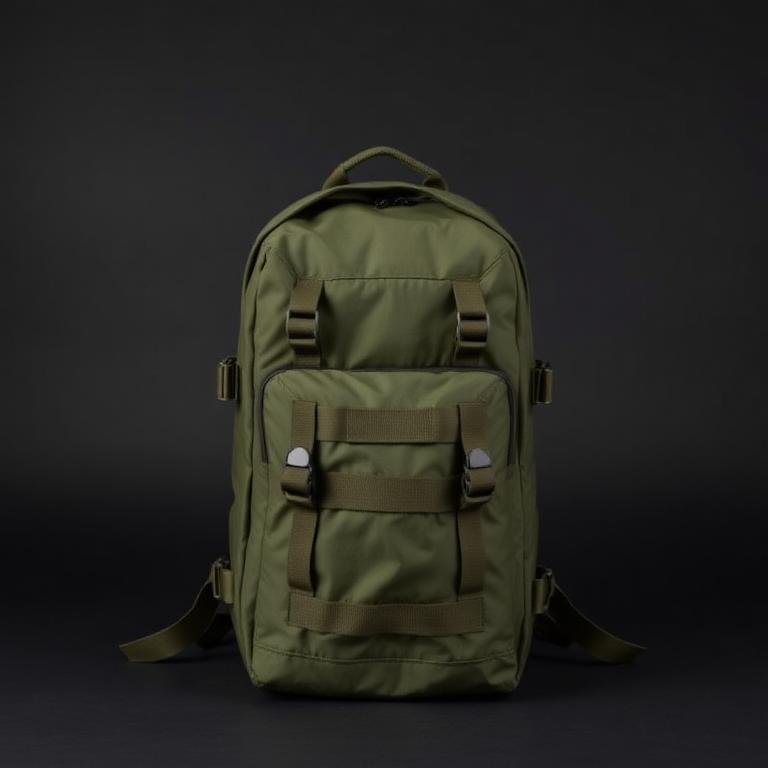
30L Bug-Out Daypack
The right size; bigger packs tempt overloading.
The right size for a 72-hour bag. Bigger packs just tempt you to overload.
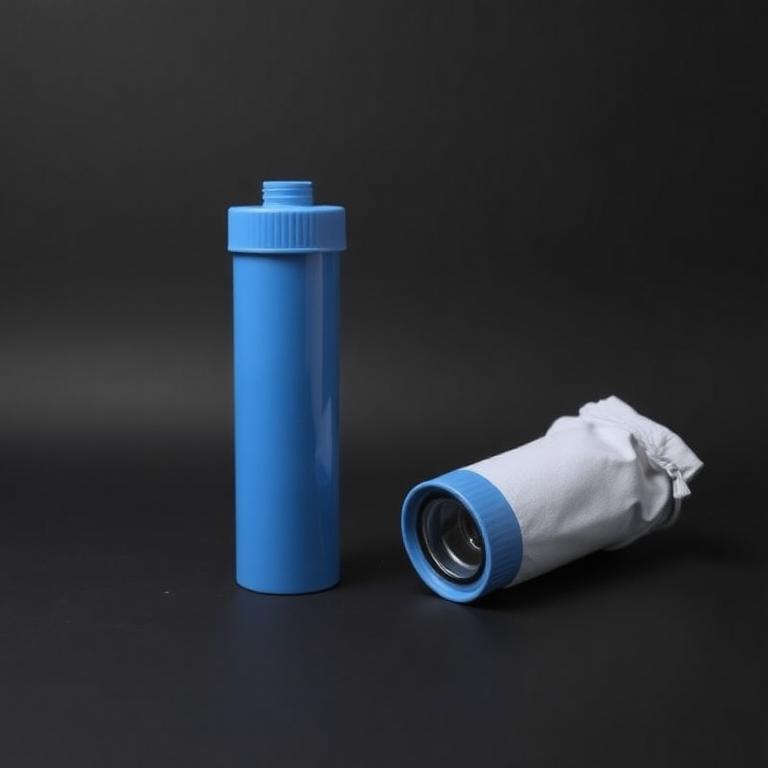
Sawyer Squeeze Water Filter
Sawyer
Water is the heaviest thing you can avoid carrying.
0.1 micron hollow-fibre filter rated for 100,000 litres. Backflush it and it lasts for years.
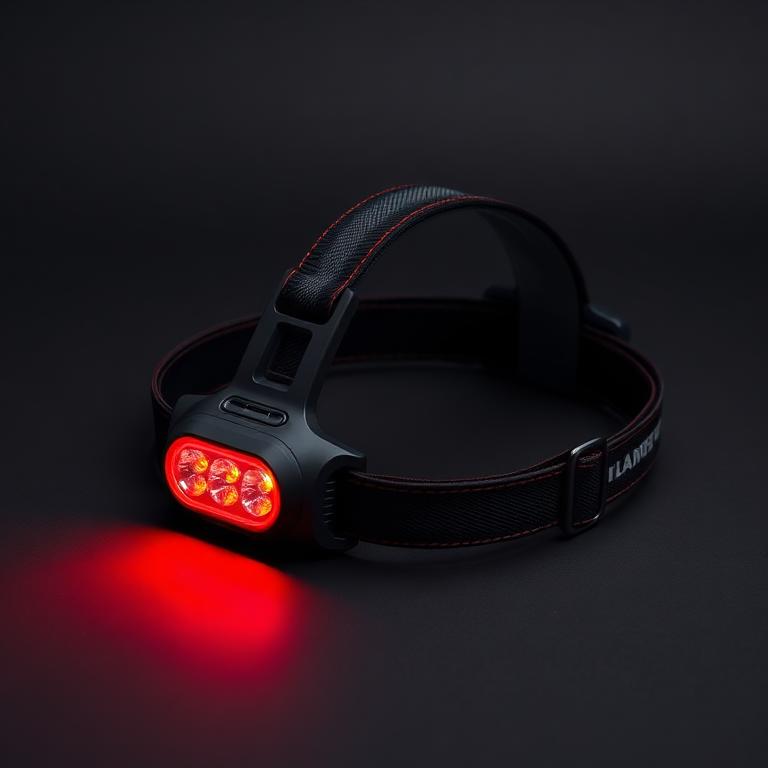
Rechargeable Headlamp
Petzl
Hands-free light with a red mode.
Hands-free light with a red mode that keeps your night vision.
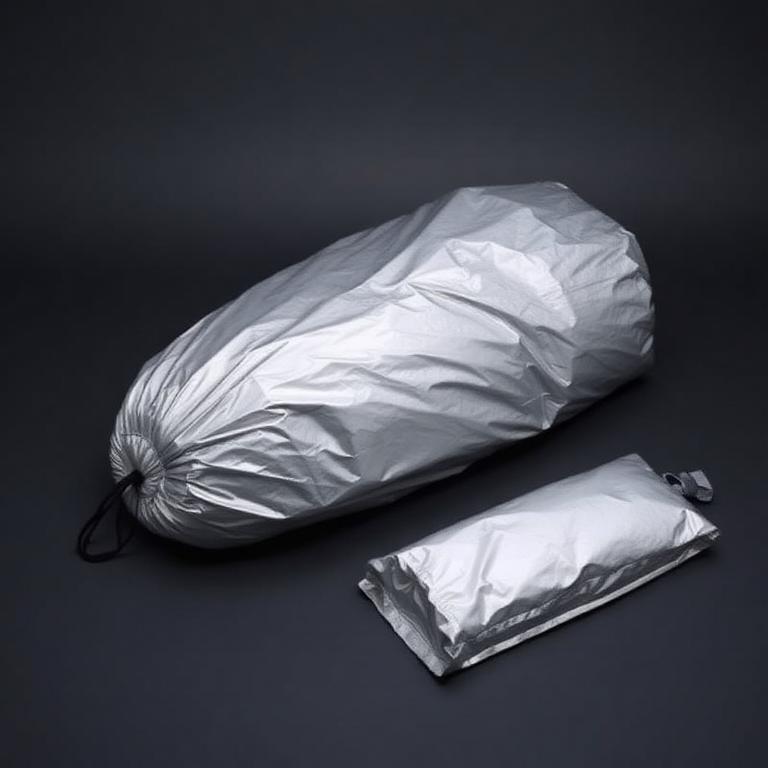
Reflective Emergency Bivvy
SOL
Shelter weight you will not notice.
200g of insurance in the debris hut, the car and the day pack.
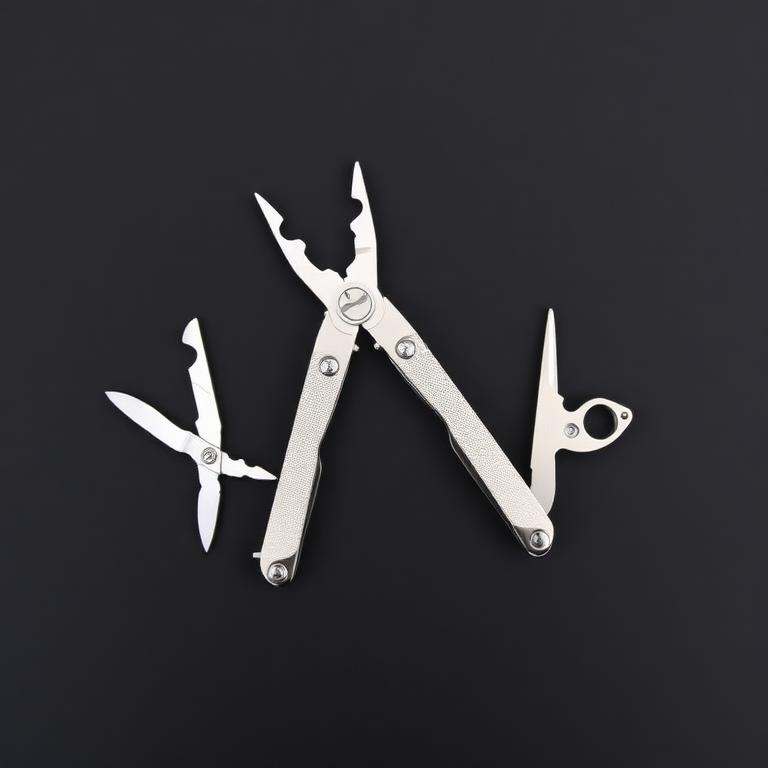
Leatherman Wave+ Multi-Tool
Leatherman
Repairs, not fantasy tools.
Pliers, saw, drivers and scissors in a pocket. The camp repair kit that is always on you.

SAS Survival Handbook
John Wiseman
Pocketable reference for the bag.
Dense, pocketable and still the reference for improvised survival.
Some links are affiliate links. If you buy through them we earn a small commission at no extra cost to you — it pays for testing gear, not for good reviews.