
Ten Car-Camping Hacks That Pay for Themselves
Ten car-camping hacks that pay for themselves: sleep setup, power, water, organisation and the small vehicle changes that make camping faster and safer.
How it works, step by step
Level the vehicle before anything else
Level the vehicle before anything else. Sleeping on a slope ruins a night. Carry two short levelling ramps and use a phone level.
Car camping is limited by two things: how long it takes to make camp, and how well you sleep once you have. These ten changes fix both. None of them is expensive, and every one of them removes a small annoyance you currently repeat on every single trip.
The principle
Anything you do more than twice per trip should be systemised. Pack by task, not by category, and the whole trip gets faster.
Ten changes worth making
- 01
Level the vehicle before anything else. Sleeping on a slope ruins a night. Carry two short levelling ramps and use a phone level.
- 02
Build a flat sleeping platform. A plywood deck over the folded seats plus a proper insulated pad beats any air mattress for warmth and packing size.
- 03
Insulate the windows. Reflective panels cut condensation and morning heat, and give you privacy for the price of a takeaway.
- 04
Pack by task, in clear boxes. Kitchen box, sleep box, tools box. You stop unpacking the whole boot to find one thing.
- 05
Fit a side awning. Shade and rain cover in thirty seconds is the difference between cooking dinner and eating cold food.
- 06
Carry water in two containers. One large for camp, one small for the day. Never leave a single point of failure on water.
- 07
Run a second power source. A powerbank or small station keeps lights, phone and pump alive without touching the starter battery. Never run the vehicle battery flat in a remote spot.
- 08
Add a folding solar panel. For trips longer than two days it replaces the drive-to-charge routine entirely.
- 09
Use dry bags for clothing. Waterproof, compressible, and they double as pillows and water carriers.
- 10
Keep a fixed recovery kit. Tyre plug kit, compressor, jump pack and a tow strap, stored together and never raided for other jobs.
Habits that matter more than gear
- Set camp before dark, always
- Refuel at half a tank in remote areas
- Ventilate when sleeping in the vehicle, even in cold
- Never run a stove or heater inside a closed vehicle
Details most people get wrong
Common questions
Do I need a fridge? Not for weekends. For trips beyond three days, a 12V compressor fridge removes ice runs and food waste completely and quickly stops feeling like a luxury.
Roof tent or in-vehicle? In-vehicle is warmer, quieter and faster. Roof tents are more comfortable and cost fuel economy.
Spend where it removes risk
Most of this list is organisation, not spending. The items genuinely worth money — a good pad, a second power source, a recovery kit — are the ones that keep you warm, connected and mobile. That is the test to apply to every camping purchase: does it remove a way the trip can go badly? If yes, it is not gear collecting, it is insurance you also enjoy using.
Gear you need for this hack
Everything below does the job in this guide. Improvise where you can — buy where it matters.
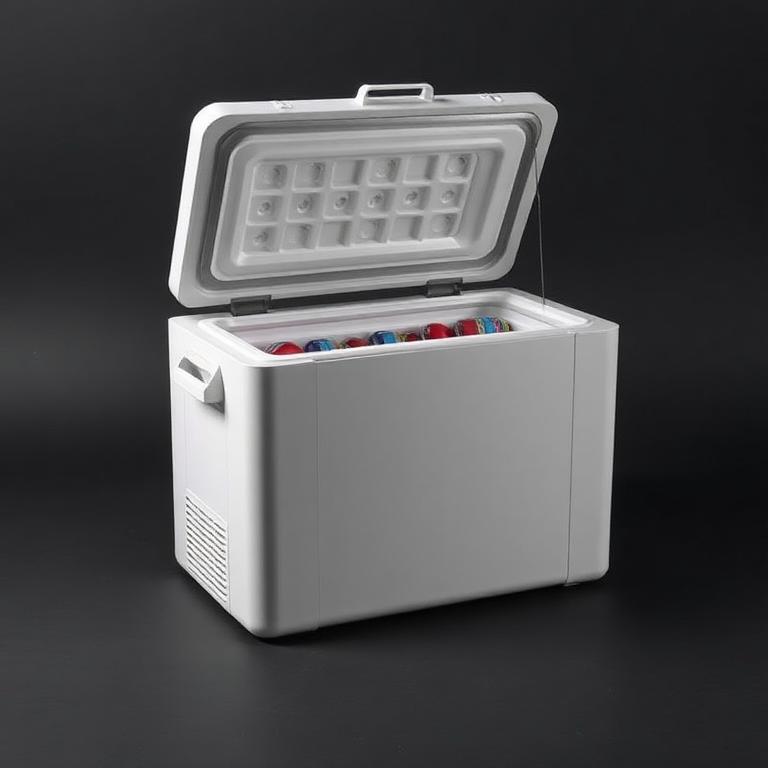
12V Portable Fridge/Freezer
Ends the ice run for good.
Ends the ice run. Runs off the car battery or your solar setup.
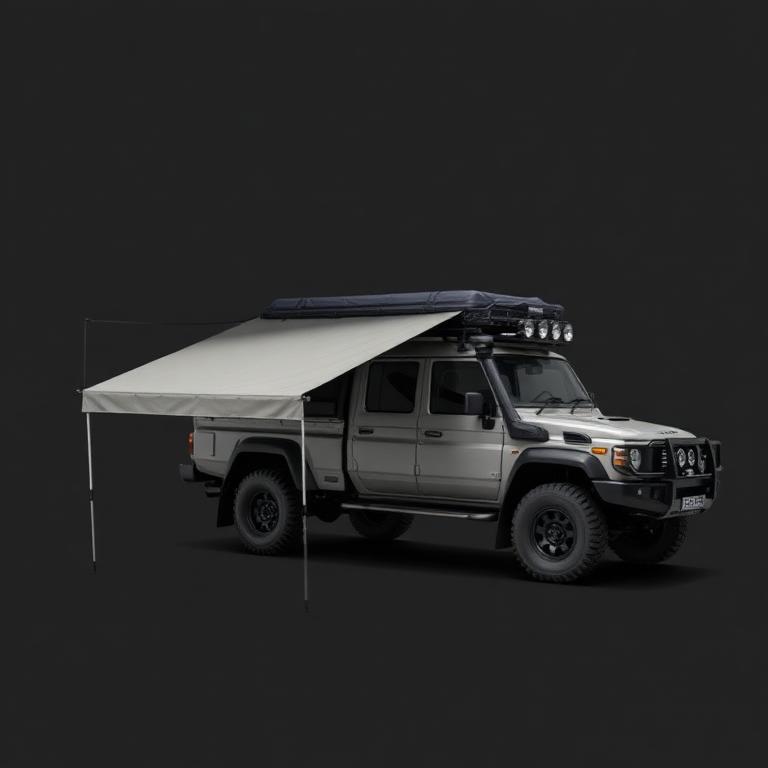
Vehicle Side Awning
Thirty seconds to a dry camp kitchen.
Thirty seconds of setup gives you a dry kitchen next to the car.
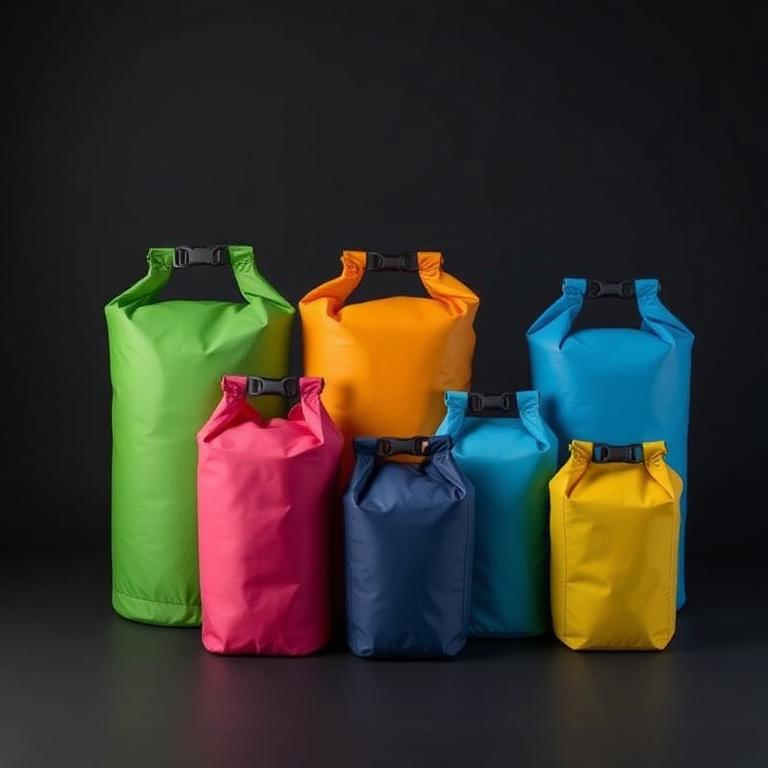
Dry Bag Set
Keeps kit sorted and dry in the boot.
Keeps sleeping bag, spare clothes and electronics dry when the pack is not.
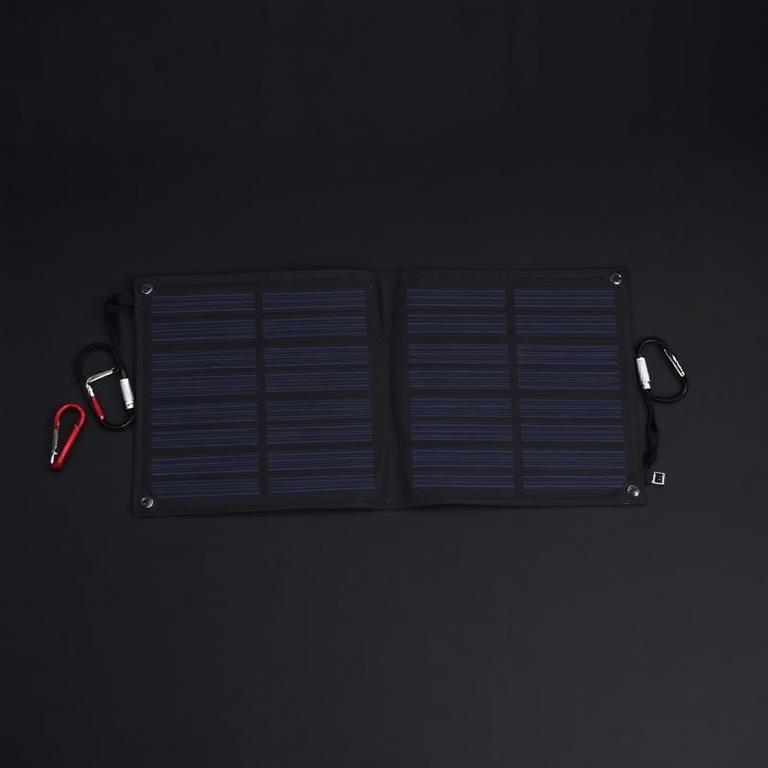
28W Folding Solar Charger
BigBlue
Keeps devices topped up away from the alternator.
Straps to a pack and refills a powerbank in a day of sun. USB only, no controller needed.
Some links are affiliate links. If you buy through them we earn a small commission at no extra cost to you — it pays for testing gear, not for good reviews.